




How Much Does a New Air Conditioner Cost?
Replacing an air conditioner is a major investment for any homeowner. Whether your current system is struggling to keep up, breaking down frequently, or reaching the end of its lifespan, understanding the new air conditioner cost can help you make an informed decision.
Homeowners throughout Eugene, Springfield, and the rest of Lane County often ask the same question: “How much should I expect to spend on a new air conditioning system?”
The answer depends on several factors, including system size, efficiency rating, installation requirements, and the condition of your existing HVAC equipment.
Let’s look at what influences pricing and what homeowners can expect when budgeting for a new cooling system.
Average New Air Conditioner Cost in Oregon
For most homes in Eugene and surrounding communities, a new air conditioner cost typically falls between:
- $4,500 to $7,500 for a standard air conditioning replacement
- $7,500 to $12,000+ for higher-efficiency systems or installations requiring additional work
- $10,000 to $15,000+ for complete HVAC system replacements that include both heating and cooling equipment
Every home is different, so an in-person evaluation is the best way to receive accurate pricing.
Several factors can move costs higher or lower.
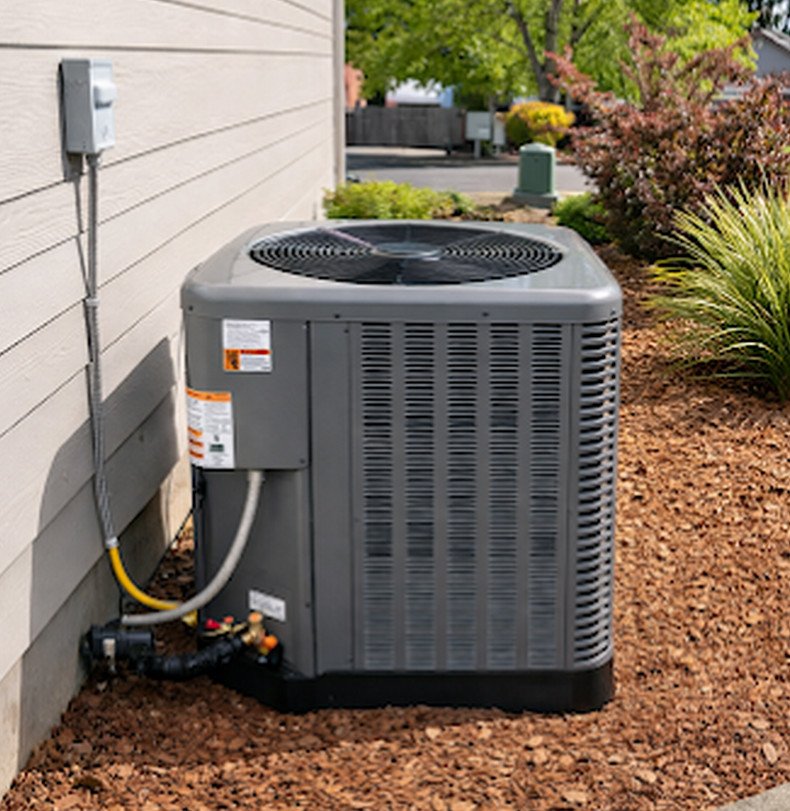
System Size Plays a Major Role
One of the biggest factors affecting price is system size.
Air conditioners are measured in tons, which refers to cooling capacity rather than weight.
Common residential sizes include:
- 2-ton systems
- 2.5-ton systems
- 3-ton systems
- 4-ton systems
- 5-ton systems
Larger homes generally require larger systems, which typically cost more to purchase and install.
Choosing the wrong size can create comfort problems and increase operating costs.
A professional load calculation helps determine the proper size for your home.
Energy Efficiency Impacts Pricing
Air conditioners are rated using SEER2 (Seasonal Energy Efficiency Ratio).
Higher-efficiency systems usually cost more upfront but may lower monthly utility bills.
Examples include:
- Standard efficiency units
- Mid-range efficiency systems
- High-efficiency premium models
Higher-efficiency equipment often makes sense for homeowners planning to stay in their home for many years.
Lower energy consumption can help offset the initial investment over time.
Existing Ductwork Can Affect Installation Costs
Your duct system plays a major role in cooling performance.
During an installation estimate, technicians inspect:
- Duct condition
- Airflow performance
- Leakage issues
- Sizing concerns
- Overall system compatibility
If duct repairs or modifications are needed, installation costs may increase.
In some homes, professional duct cleaning may also be recommended to improve airflow and indoor air quality.
Labor and Installation Requirements Matter
The equipment itself is only part of the overall cost.
Professional installation includes:
- Removing old equipment
- Installing the new system
- Electrical work
- Refrigerant charging
- System testing
- Safety inspections
More complex installations generally require additional labor and time.
Factors that may increase installation costs include:
- Difficult equipment access
- Older homes
- Electrical upgrades
- Ductwork modifications
- Thermostat upgrades
A properly installed system often performs better and lasts longer.
New Air Conditioner Cost Versus Repair Costs
Many homeowners wonder whether replacement is better than another repair.
In general, replacement may be worth considering when:
- The system is more than 10 to 15 years old
- Repairs are becoming frequent
- Energy bills continue rising
- Cooling performance declines
Spending several thousand dollars on repeated repairs may not make sense if the equipment is nearing the end of its useful life.
A professional evaluation can help determine which option offers better long-term value.
Additional Features Can Increase Cost
Many modern systems include optional upgrades that improve comfort and efficiency.
Examples include:
- Smart thermostats
- Variable-speed motors
- Enhanced filtration systems
- Zoned cooling systems
- Indoor air quality upgrades
These features may increase the overall project cost but can provide additional comfort and convenience.
Modern heating and air conditioning systems offer more options than ever before.
Why the Cheapest Option Isn’t Always the Best Choice
It can be tempting to focus solely on price.
Yet the lowest-priced system may not deliver the best long-term value.
A quality installation provides:
- Better efficiency
- More reliable performance
- Longer equipment life
- Improved comfort
- Lower repair risk
Selecting equipment based only on price may lead to higher operating costs later.
Balancing efficiency, reliability, and budget often produces better results.
Maintenance Helps Protect Your Investment
Once your new air conditioner is installed, regular maintenance becomes important.
Routine preventive maintenance can help:
- Improve efficiency
- Reduce breakdown risks
- Extend equipment lifespan
- Maintain manufacturer recommendations
Many homeowners view maintenance as an investment in protecting their new HVAC system.
How Long Does a New Air Conditioner Last?
Most residential air conditioning systems last:
- 10 to 15 years on average
- Sometimes longer with proper maintenance
Several factors affect lifespan, including:
- Installation quality
- Maintenance history
- Usage patterns
- Climate conditions
- Equipment quality
Routine care helps maximize the life of your investment.
Signs It May Be Time for a New Air Conditioner
Common replacement indicators include:
- Frequent repairs
- Uneven cooling
- Rising utility bills
- Weak airflow
- Excessive noise
- System age exceeding 10 to 15 years
If multiple issues occur at the same time, replacement may provide better value than ongoing repairs.
Frequently Asked Questions
1. What is the average new air conditioner cost in Oregon?
Most homeowners spend between $4,500 and $12,000 depending on equipment and installation requirements.
2. Why do air conditioner prices vary so much?
System size, efficiency, labor requirements, and home-specific conditions all affect pricing.
3. Does a larger air conditioner cost more?
Yes. Larger systems generally cost more because they provide greater cooling capacity.
4. Can a high-efficiency system lower energy bills?
Yes. Many higher-efficiency units use less energy than older equipment.
5. Is ductwork included in installation costs?
Existing ductwork may be reused, though repairs or modifications can add to the project cost.
6. How long does installation usually take?
Most residential installations can be completed within one day.
7. Should I repair or replace my old AC?
That depends on age, repair history, and overall system condition.
8. How long should a new air conditioner last?
Most systems last between 10 and 15 years with proper maintenance.
9. Can maintenance help my new system last longer?
Yes. Routine maintenance helps reduce wear and improve performance.
10. How can I get an accurate estimate?
A professional home evaluation provides the most accurate pricing based on your specific needs.
Make an Informed Air Conditioning Investment
Understanding the factors that affect new air conditioner cost can help you plan confidently and choose a system that fits both your comfort needs and budget. A properly sized and professionally installed system can provide reliable cooling, better efficiency, and long-term value for years to come.
Schedule Your Air Conditioning Consultation
If you’re considering a new cooling system, James Heating & Air Conditioning can help you compare options and find the right solution for your home. Call (541) 461-2101 today or Contact Us to schedule a consultation. We proudly serve homeowners throughout Eugene, Springfield, and the rest of Lane County with trusted HVAC services and professional installations.