



Commercial HVAC in Eugene & Salem, Emergency Calls Answered 24/7
We repair, maintain and replace rooftop units, commercial furnaces and split systems for offices, shops, restaurants and rental buildings in Eugene-Springfield and Salem-Keizer. Emergency calls reach us 24/7, and we plan routine work around your opening hours.
Commercial HVAC services we provide
Owners and property managers bring us the rooftop unit that quit on a Monday, the furnace in a tenant's back room and the replacement that has to wait for a weekend. Our technicians service that light-commercial equipment from the Eugene and Salem offices.
Rooftop unit repair
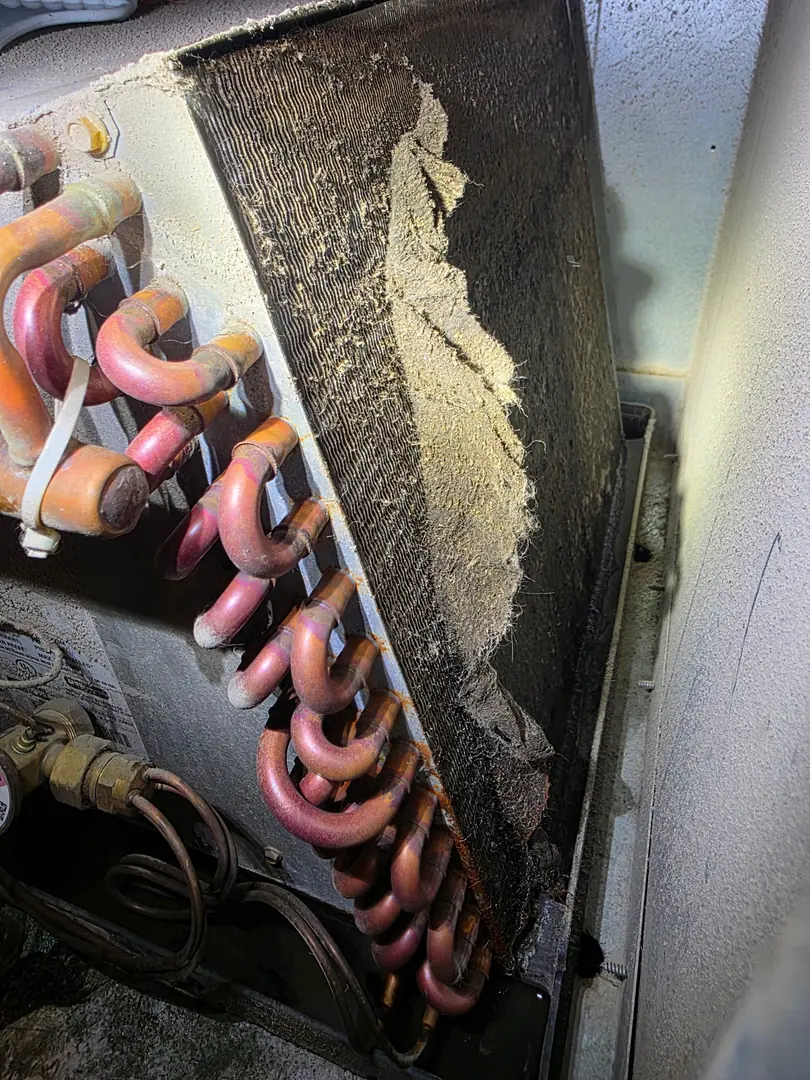
A packaged rooftop unit (RTU) heats, cools and feeds the ducts below from one cabinet on the roof. We test capacitors, contactors, fan motors and belts, clean coils, find refrigerant leaks and clear clogged drains, on the roof or with a return trip for parts.
Commercial furnace and heating repair
Furnaces in back rooms and mechanical closets, and gas packs that heat with gas and cool with electricity. Our technicians test the igniter, flame sensor, limit and pressure switches, blower and gas pressure, and check the heat exchanger for cracks.
Spring and fall maintenance
We service light-commercial equipment at least twice a year, before cooling season and before heating season. Kitchens, dusty shops and units that run long hours do better on quarterly visits, and we set that schedule with you.
Rooftop unit replacement
When an RTU reaches the end, we size the new one to your building, quote it after a site visit and pull the mechanical permit. Buildings that stay open get their units replaced in phases rather than all at once.
Split systems and ductless heads
A furnace or air handler inside with a condenser or heat pump outside, or ductless heat pumps for an office or server room. James Heating & Air Conditioning installs Ruud or Rheem equipment, and we repair and maintain the systems already in your building.
Commercial duct cleaning
Dust, construction debris and years of buildup in the ducts cut airflow to every suite they serve, which is why tenants at the end of a long run complain first. Our crews handle commercial duct cleaning for offices, clinics and schools.
How our commercial service calls work
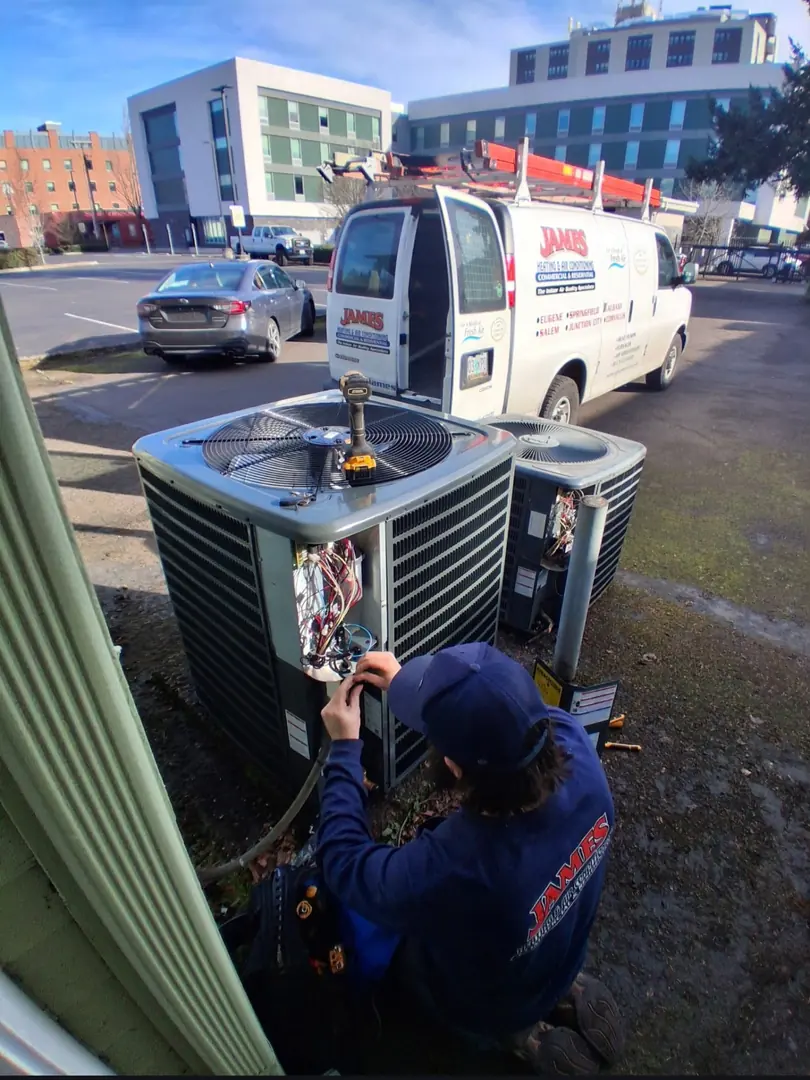
A service call follows the same path whether it's an outage at opening time or a scheduled visit.
- Call the number for your area. Give the address, the suite affected, what the unit is doing and how to reach the roof and the disconnect.
- We schedule around your hours. Emergencies go out at any hour, and routine repairs can happen before opening or after close.
- We diagnose on site. Ignition, airflow, electrical parts and refrigerant, with a carbon monoxide test on gas equipment.
- You get a written quote. It's priced to your building and equipment before any work starts.
- We repair or plan the replacement. Many fixes happen on the roof that day; bigger jobs get scheduled with you.
Rooftop unit problems we trace on service calls
Most rooftop failures show up in a few predictable places, and the symptom staff notice first points straight at the part. A gas smell is different. Get everyone out of the building first, then call 911 and NW Natural at 800-882-3377 once you're outside and away from it.
Warm air from the vents
A failed capacitor, a dirty condenser coil or low refrigerant from a leak are the common causes, and they tend to surface in the first hot week of the year, when sun beating on a dark roof pushes the unit harder than anything else in the building.
Water through a ceiling tile
That water usually comes from a clogged condensate drain or a cracked drain pan, which sends what the cooling coil pulls from the air into the ceiling instead of off the roof. We clear the line and replace the pan.
A squeal at start-up
A worn or loose belt is the usual cause. It gets louder as the belt glazes, and once it snaps the blower stops and the space goes without heat or cooling.
Short cycling
A unit that starts and stops every few minutes can mean a dirty coil, a refrigerant problem or a controls fault. All those restarts wear the compressor and leave the space uneven.
No heat at opening
A failed igniter, a dirty flame sensor or a tripped high-limit switch, the overheat shutoff, explains many cold Monday mornings, the same parts that fail on home furnaces. Filters matter here. A choked one can trip that switch, so we replace it on the spot.
An economizer stuck open
The economizer is a damper that brings in cool outside air on mild days. Stuck open in July, it makes the unit fight hot air all afternoon, and during wildfire smoke it can pull smoke inside.
Checks your staff can make before we arrive
Three quick checks clear up some no-heat calls without a technician. Never send anyone onto a roof without safe access.
- Thermostat schedule. Make sure it's set to heat and hasn't switched back to "unoccupied".
- Power. Check the breaker, and the disconnect switch beside the unit, are both on.
- Filter. Look at it only if staff can reach it safely.
In wet 35 to 45°F weather, a heat pump rooftop unit may steam and blow cool air for a few minutes. That's a normal defrost cycle, and if warm air returns on its own, nothing is wrong.

Businesses and buildings we look after
The equipment changes little from one business to the next. What changes is when your unit can be shut down, and who in the building is responsible for it.
Offices and professional suites
A converted house or small office suite runs one or two units on a single thermostat. Complaints there are rarely mysterious. A thermostat, a filter or a failing part is usually behind them, so we check those first.
Retail shops and restaurants
In a restaurant, kitchen heat makes the dining-room unit work harder through every service, while the grease hoods and their fire suppression belong to a separate specialist trade rather than to general HVAC work.
Churches and nonprofits
A church hall's system sits idle most of the week and runs hard on Sunday morning, so a failed igniter shows up at the worst time. Springfield Utility Board includes churches and nonprofits in its business incentives.
Rentals and multi-tenant buildings
In many of these buildings, each suite has its own small rooftop unit. Many triple-net leases, where the tenant pays the building's running costs, put HVAC maintenance on the tenant, and we work for tenants and owners alike.
Medical and dental offices
Exam rooms and waiting rooms need steady temperatures, and a unit that quits mid-day cancels appointments, so tell us your appointment hours when you book and we'll plan the visit around them.
Warehouses and light industrial
A few rooftop units or gas unit heaters cover a large open floor. We service those units and the thermostats that run them, so the crew on the floor stays warm through a valley winter.
What our commercial maintenance visits cover
Spring visits lean on cooling and fall visits on heating, with the electrical and control checks done at both. Ask for a written record of what we checked and replaced; it's the paperwork a lease or a property manager will want.
Filters (right MERV rating for the unit)
SpringReplace
FallReplace
Belts and pulleys
SpringAdjust
FallAdjust
Condenser and evaporator coils
SpringClean
FallInspect
Condensate drain and pan
SpringClear
FallCheck
Refrigerant pressures
SpringCheck
Capacitors, contactors, motor amps
SpringTest
FallTest
Economizer and dampers
SpringTest
FallTest
Burner, igniter, flame sensor
FallClean, test
Heat exchanger and venting
FallInspect
Thermostat schedule
SpringCheck
FallCheck
MERV rates how fine a filter is, and a unit should get only the rating it was designed for.
How we replace rooftop units in a building that stays open
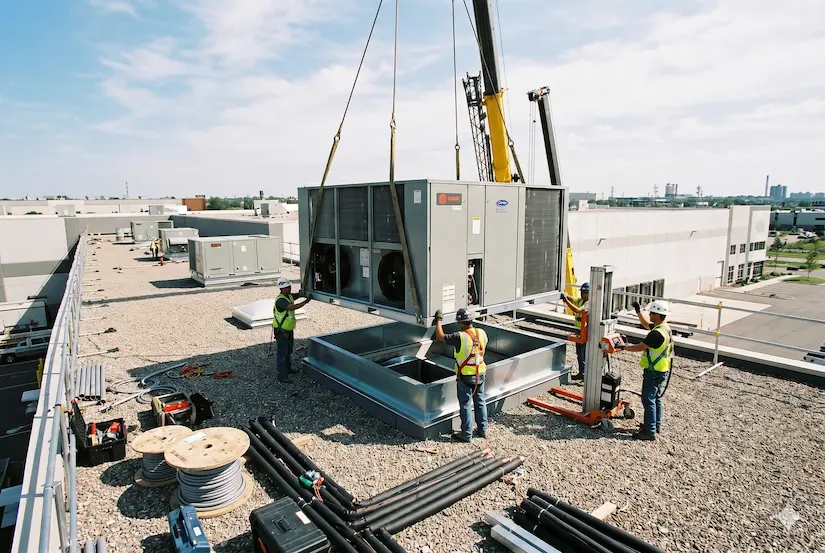
If your building has to stay open, we replace rooftop units in phases, one unit or one zone at a time, instead of shutting everything down at once. The order depends on which units are oldest or fail most, how the roof is reached and when the building is empty.
Our crews install before opening, after close or on a weekend, and the permit covers each unit. Ask at the estimate which unit goes first and how long it stays off, and give tenants notice before we shut down any unit that serves their space.
When we repair a rooftop unit and when we replace it
A packaged rooftop unit lasts about 15 years, based on ASHRAE service-life data. Past that age, or when the compressor or heat exchanger fails, a new unit can cost less over the next few years than another repair, and we quote both options in writing so you can compare.
Age
Lean repairUnder about 10 years
Lean replaceAbout 15 years or more
Repair cost
Lean repairSmall next to the unit's value
Lean replaceA large share of a new unit
Breakdowns this year
Lean repairThe first
Lean replaceThe third or fourth
Heat exchanger
Lean repairSound
Lean replaceCracked
Refrigerant
Lean repairNo leak, or one that's easy to fix
Lean replaceOlder R-410A unit that keeps leaking
Parts
Lean repairIn stock
Lean replaceObsolete or weeks away
New rooftop units use A2L refrigerants such as R-454B or R-32, existing R-410A units can still be serviced, and James Heating applies the same age and repair-cost test when homeowners ask about repairing or replacing a furnace or AC.
Permits and energy code we handle on commercial jobs
Oregon requires a mechanical permit to replace commercial HVAC equipment, and James Heating pulls it as part of the job from whichever city or county building department covers your address.
- Energy code. The 2025 Oregon Energy Efficiency Specialty Code, based on ASHRAE 90.1-2022, has been mandatory since July 1, 2025, and every new unit has to meet it.
- Contractor license. Oregon requires a CCB license for any contractor paid to do the work. Ours is #47396.
- Same-curb swaps. Under Oregon BCD interpretation 16-01, no separate structural permit is needed when the new unit sits on the same curb in the same spot with no change to the roof framing.
- Size limits. That exemption holds only if the new unit weighs no more than 10% or 100 pounds more than the old one, and each dimension stays within 10% or 6 inches, whichever is greater in each case.
- Curb adapters. A new unit that doesn't fit the old curb needs an adapter or new curb, and then a structural permit as well.

Business incentives depend on which utility bills you
Incentives follow the utility that sends your bill, not the city you're in, and some utilities require approval before the old unit comes out. Bring both bills, power and gas, to the estimate.
PGE or Pacific Power
Where to lookEnergy Trust of Oregon, Existing Buildings
The catchApply within 90 days of installation
NW Natural, Cascade or Avista gas
Where to lookEnergy Trust of Oregon, gas measures
The catchWorks even on EWEB or SUB power
EWEB
Where to lookEWEB business HVAC rebates and loans, (541) 685-7088
The catchPre-approval before you buy the equipment, for rebates over $2,500
SUB
Where to lookSUB business incentives, (541) 746-0963
The catchPre-approval before removing old equipment
Salem Electric
Where to lookSalem Electric business programs
The catchCheck with them before you buy
Skip a required pre-approval and you can lose the rebate. Energy Trust's current form covers work finished by December 31, 2026, and federal 179D no longer applies to projects whose construction begins after June 30, 2026, so check with your tax adviser. A home project needs its own check, since EWEB and SUB run separate residential heat pump rebates with different rules from their business programs.
Why property managers and owners choose us
James Heating answers commercial calls at its Eugene and Salem offices, each on its own number, and has been family-owned since 1983.
- Answered 24/7. We answer both numbers for no-heat, no-cooling and water-through-the-ceiling calls.
- Work around your business. Repairs before opening or after close, and phased replacements that keep the building running.
- Permits handled. We pull the mechanical permit and build to Oregon's commercial energy code.
- Licensed, bonded and insured under Oregon CCB #47396.
- Ruud Authorized Dealer, and a Rheem Authorized Dealer in the Salem area.
- Both options in writing. When a unit is near the end, we price the repair and the replacement side by side.
Commercial HVAC questions
What's the difference between commercial and residential HVAC?
Commercial equipment is often a packaged rooftop unit rather than a furnace in a closet. It's larger, may run on three-phase power (the heavier electrical service many commercial buildings have), needs roof access and falls under Oregon's commercial energy code, though the basic job of heating, cooling and moving air is the same. We handle residential heating and cooling for homes across the same service area.
How often should a commercial HVAC system be serviced?
Twice a year is the floor, in spring and fall. Choose quarterly visits if a unit runs long hours, sits near a kitchen, pulls in dust and grass-seed pollen, or would cost you real money in a breakdown.
What does a rooftop unit replacement cost?
We quote after a site visit, because the building sets the price. The unit's size in tons (one ton is 12,000 BTUs of cooling an hour) moves it most, followed by a crane lift if one is needed, electrical work, the permit, hauling the old unit away, start-up and a controls check. A curb adapter adds to it when the new unit doesn't fit the old curb.
Do I need a permit to replace a rooftop unit in Oregon?
Yes, a mechanical permit at minimum. A close match on the existing curb stops there, while a unit that needs a curb adapter or a new curb needs a structural permit too.
Do you service chillers, boilers or walk-in coolers?
No. We work on light-commercial rooftop units, furnaces, split systems and ductless heat pumps, and chillers, cooling towers, large boiler plants and commercial refrigeration belong to specialist firms. Call if you're unsure, and we'll tell you on the first call whether the job is ours.
Our lease makes us responsible for HVAC maintenance. What should we keep?
Keep a dated record of every visit listing what was checked, cleaned and replaced, since landlords and property managers ask for it. Ask us for one after each visit. This is general information, not legal advice about your lease.
Our commercial HVAC service areas
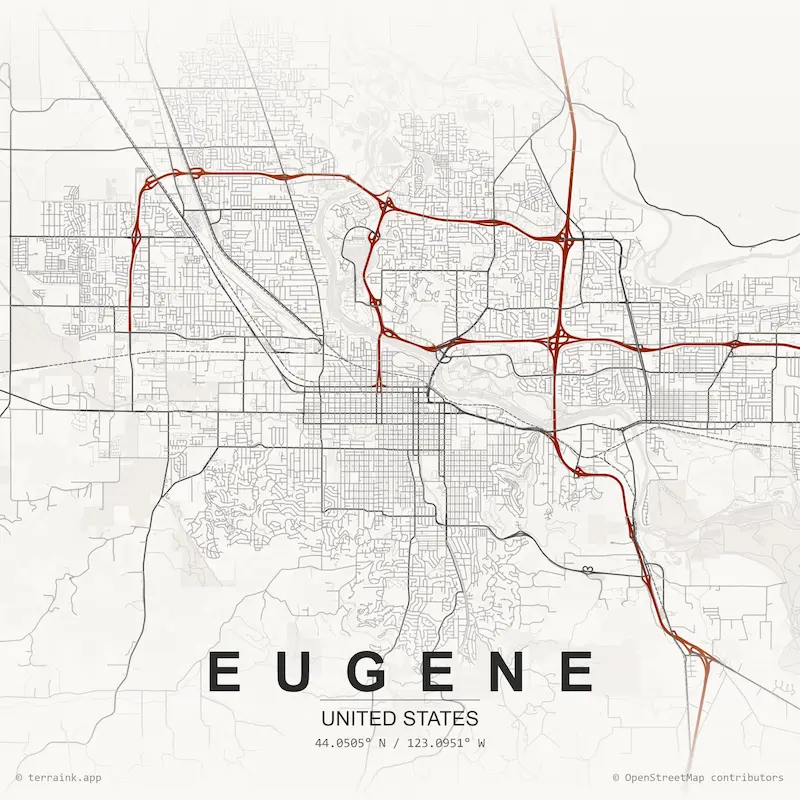
Call the number for your area, and a local technician comes out to the building.
What our customers say
"Thank you for the Prompt attention given to the installation of the new furnace at my office. I appreciate the workmanship that was given to this installation."
G. English Jr.
"We appreciate your courteous and prompt service, it is so reassuring to know that we can depend on you to help us if we have problems."
The Richmonds
Gallery
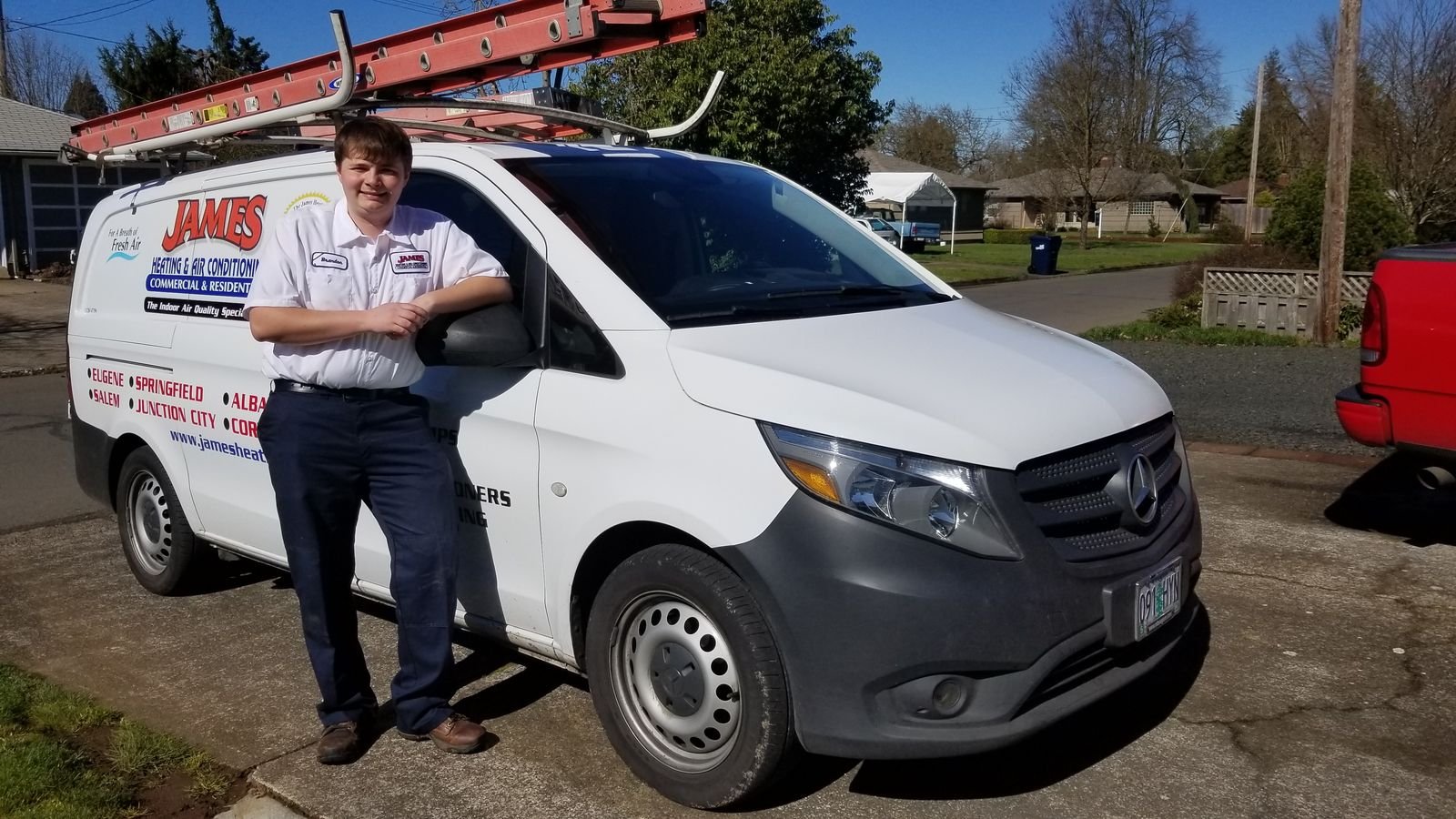
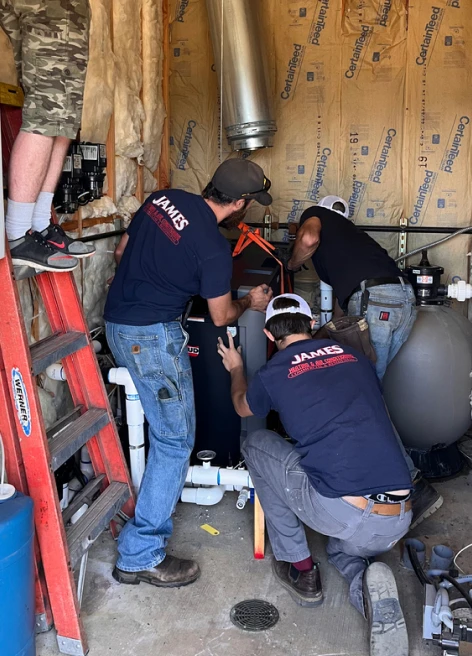
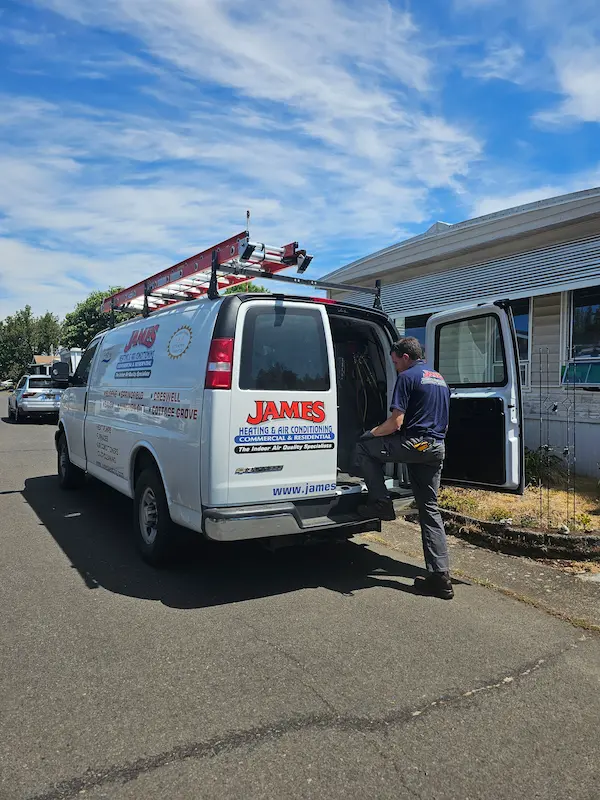
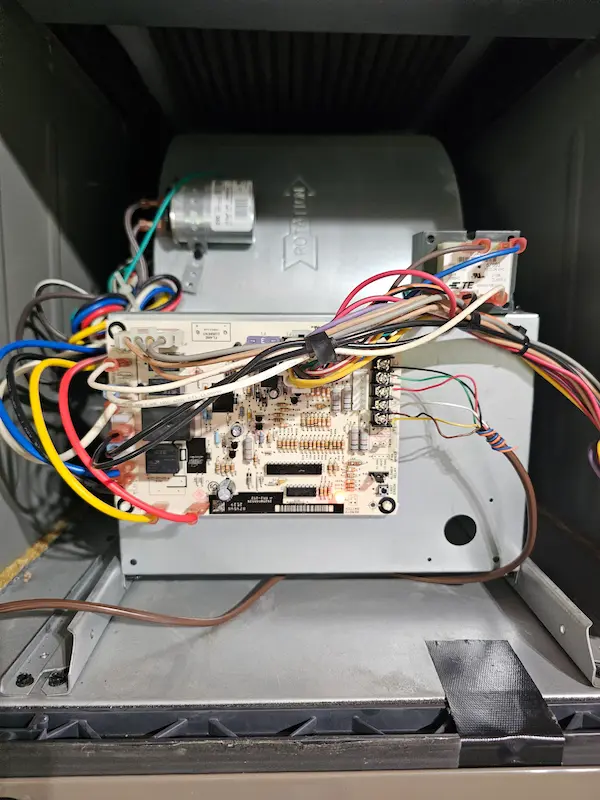
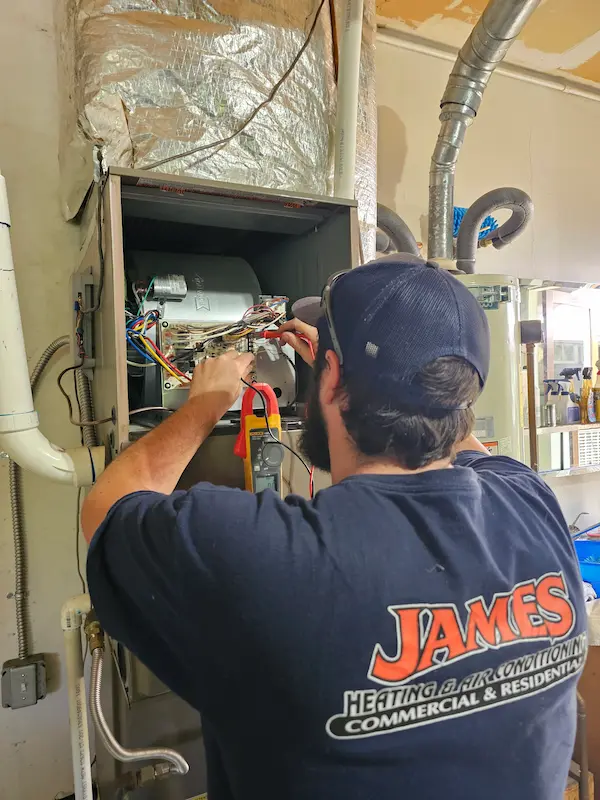
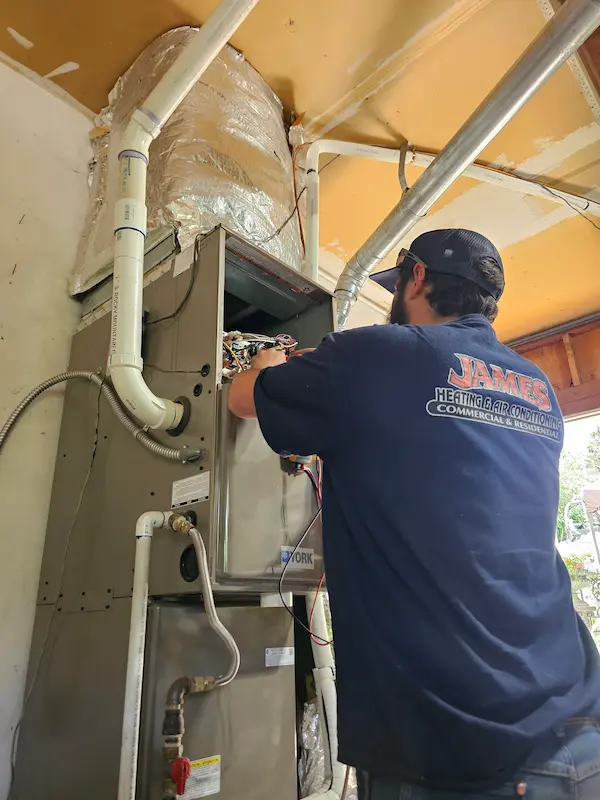
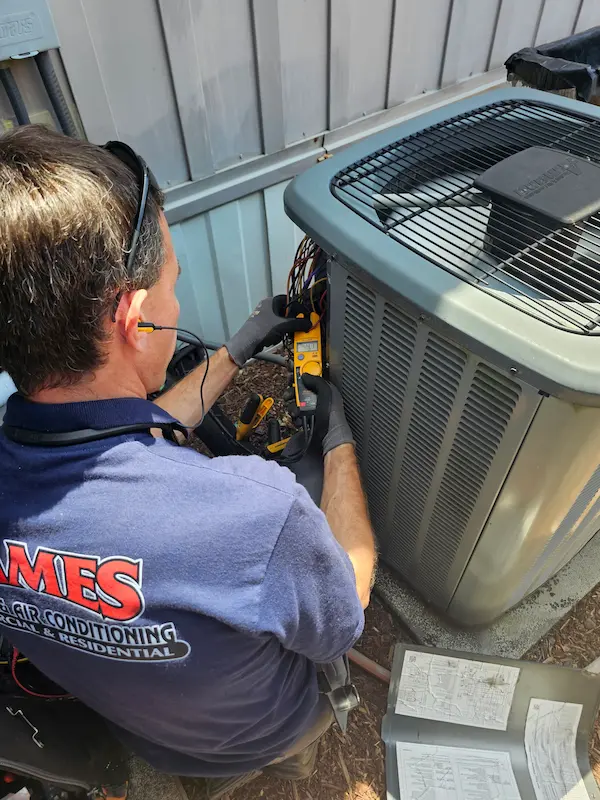
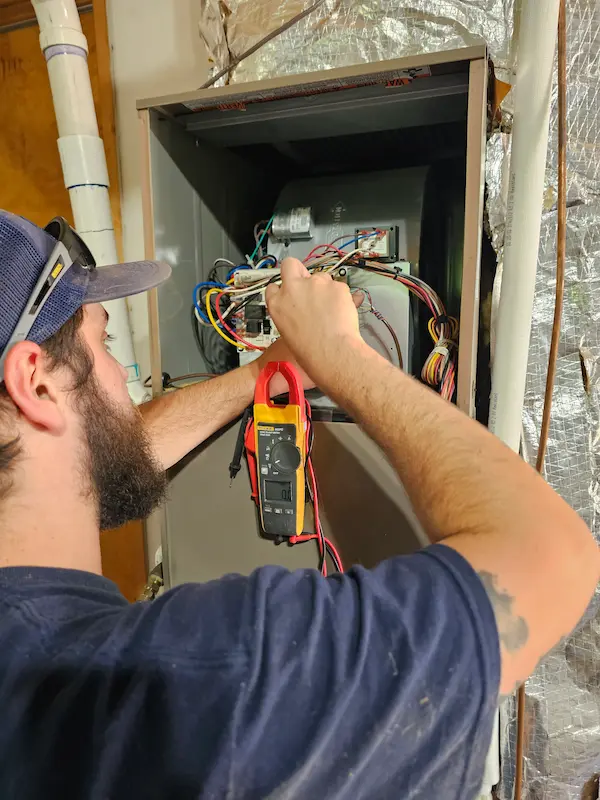
See James Heating and Air Conditioning at work. Explore our gallery of residential and commercial HVAC installations and repair services.

Call us about your building's heating and cooling
Tell us about the building and its equipment, and we'll book a service visit or come out to quote the job. Call Eugene at (541) 461-2101 or Salem at (503) 581-9982, or send us a message.
Call Eugene at (541) 461-2101 or Salem at (503) 581-9982.
Oregon CCB #47396 · Family-owned since 1983 · Licensed, bonded and insured · Offices in Eugene and Salem