




HVAC Installation in Eugene & Salem, Sized and Quoted in Writing
We install and replace furnaces, heat pumps, central air and complete systems in Eugene, Springfield, Salem and Keizer homes. You get a written quote sized from a room-by-room load calculation, and we pull the permit for the job.
HVAC installation services we provide
Our crews set new equipment in basements, hall closets, attics and crawlspaces, and we replace one failed unit or the whole system, depending on what your house needs. James Heating & Air Conditioning also installs the commercial HVAC units that heat shops and offices.
Gas and electric furnaces
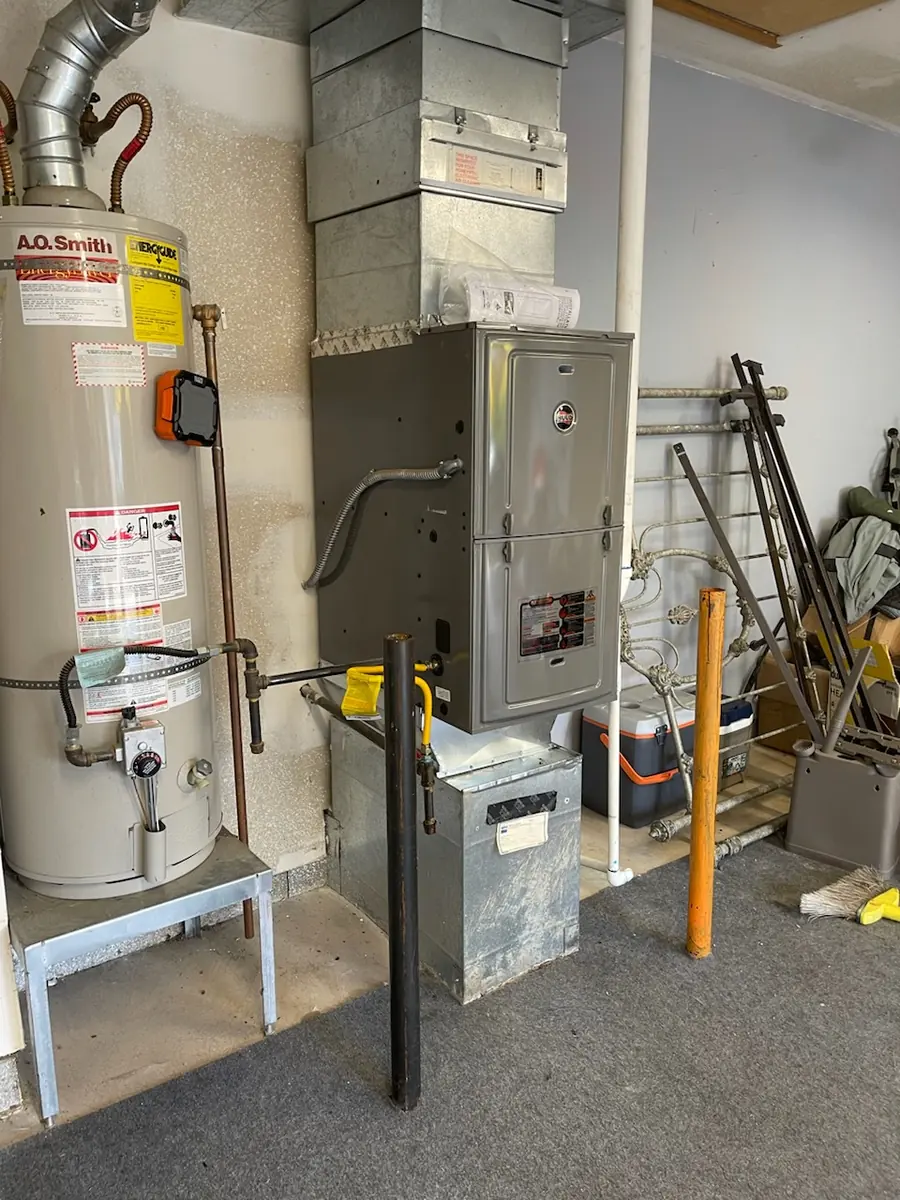
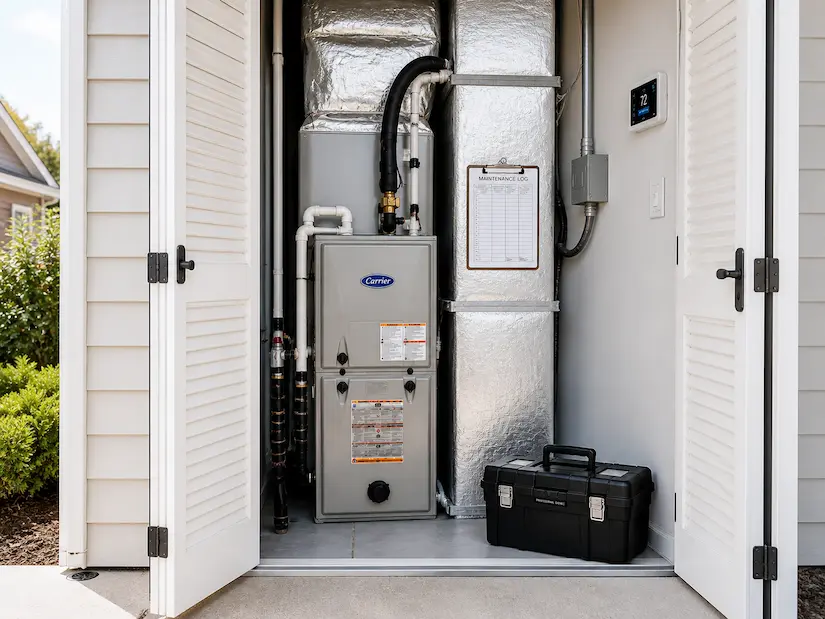
We install gas and electric furnaces, including the plastic venting and condensate drain a 95% gas model needs. Our furnace repair technicians keep them running afterward.
Central air conditioning
Adding cooling to a house with ducts takes an outdoor unit, a coil on the furnace, refrigerant lines and a dedicated circuit. We quote central air conditioning with its SEER2 rating, so you can compare efficiency between bids.
Ducted heat pumps and dual fuel
A ducted heat pump heats and cools through the ducts you already have, and pairing it with a gas furnace makes it dual fuel, one of the central heating and air systems we install for valley homes.
Furnace and AC replaced together
When both units are old, we replace them in one install, with a new indoor coil matched to the outdoor unit. If one of them still has years left, repairing or replacing a furnace or AC separately can cost less.
Ductless mini-splits
For additions, ADUs and houses without ducts, we install ductless heat pumps with an indoor head in each room, plus the new circuit and electrical permit they need.
Water heaters
When the tank sits beside the furnace we're replacing, we can handle the water heater installation on the same job. We also replace a leaking water heater on its own.
What moves the price of the system we install
We don't publish prices, because a number that hasn't seen your ducts, panel or attic access isn't a real one. These are the factors our written quote is built from.
System type
What it meansA furnace, central AC, a heat pump, or a heat pump with a gas furnace as backup
Why it moves the priceTwo pieces of equipment cost more than one
Size
What it meansHeating and cooling output, set by a load calculation
Why it moves the priceBigger units cost more, and an oversized one wears out faster
Efficiency
What it meansAFUE for furnaces, SEER2 for cooling, HSPF2 for heat pump heating
Why it moves the priceHigher ratings cost more up front and less each month
Work the house needs
What it meansDuct, electrical panel, venting or coil changes
Why it moves the priceEach adds labor and parts, as the problems below show
Permit and removal
What it meansThe mechanical permit, the inspection and hauling the old equipment away
Why it moves the pricePart of the job, and the quote lists what's included
Problems we find at the home visit that change an install
Older houses in both metros tend to hide at least one of these, behind a panel, under the floor or up in the attic. Finding it before install day is why we visit first.
Leaky or undersized ducts
Crawlspace and attic ducts in many older houses were sized for a smaller furnace, and plenty leak at the joints. We price sealing, repairs or a new run into the same quote.
A full electrical panel
Adding AC or a heat pump needs a dedicated circuit. When the panel has no room or too little capacity, that work comes first, and it shows up in your quote rather than on install day.
Venting for a high-efficiency furnace
Moving from an older 80% furnace to a 95% model means a new plastic vent pipe and a condensate drain, because the cooler, wetter exhaust can't use the old metal flue.
An indoor coil on the wrong refrigerant
New outdoor units run on R-454B or R-32. A coil built for R-22 or R-410A can't serve them, so a new coil goes on top of the furnace with the outdoor unit.
Return air that's too small
One small return grille can starve a new system of air, which makes it noisy and hard on the blower. We check the returns and add one when the rooms need it.
Tight attic or crawlspace access
Equipment wedged into a tight attic or crawlspace takes longer to remove and set, and sometimes calls for a different unit that fits. We measure the access during the visit.

How we size your system from the house, not the old label
Your old furnace's label shows what someone installed years ago, not what the house needs after new windows, insulation or a finished basement. James Heating sizes from a Manual J load calculation, the ACCA industry standard, which works out room by room how much heat the house loses in winter and gains in summer.
A system that's too big short-cycles, turning on and off too often, so parts wear faster and the rooms farthest from the unit stay too hot or too cold. One that's too small runs nonstop on the hottest and coldest days and still falls behind.
How we install your new system, step by step
From the first call to the inspector's sign-off, an install moves through six steps.
- Home visit. We inspect the equipment, ducts, returns, venting and panel.
- Written quote. It names the model numbers, efficiency ratings and refrigerant, so you can compare it with any other bid line by line.
- Permit. We pull the mechanical permit before work starts.
- Install day. Our crew removes the old equipment, recovering its refrigerant under EPA 608 rules, and sets the new units.
- Start-up check. We run heating and cooling, check airflow and temperatures, and test the gas connections and venting.
- Walkthrough and inspection. We show you the thermostat and filter, then a city or county inspector signs off.
How long our installs take and how to get ready
A like-for-like swap is the quickest kind of install, and your heat or cooling is off while the old system is out. We give you the install date and how long the crew needs when we quote. Adding ductwork, a new circuit or a first heat pump takes longer, and the inspection lands on a later day.
- Clear a path to the furnace, the outdoor unit and the electrical panel.
- Keep pets in a closed room or out of the house.
- Plan to be without heat or cooling for part of the day.
- Have someone home to let the crew in and walk through the finished system.
How we fit rebates and Oregon's 2026 rules into your quote
The federal 25C tax credit ended for equipment installed after December 31, 2025, so 2026 savings come from utility programs, and the names on your power and gas bills decide which apply. EWEB's heat pump program needs pre-approval before the install is scheduled. Apply first, then book. Energy Trust of Oregon's ducted heat pump incentive is built around replacing an electric furnace and doesn't allow a gas backup.
Oregon's heat pump rule took effect October 1, 2026, with a six-month phase-in for builders, and applies only to newly built homes with split-system AC. Your replacement isn't affected. We check your bills against the current Oregon HVAC rebates by utility before you choose equipment.

Why homeowners choose us for HVAC installation
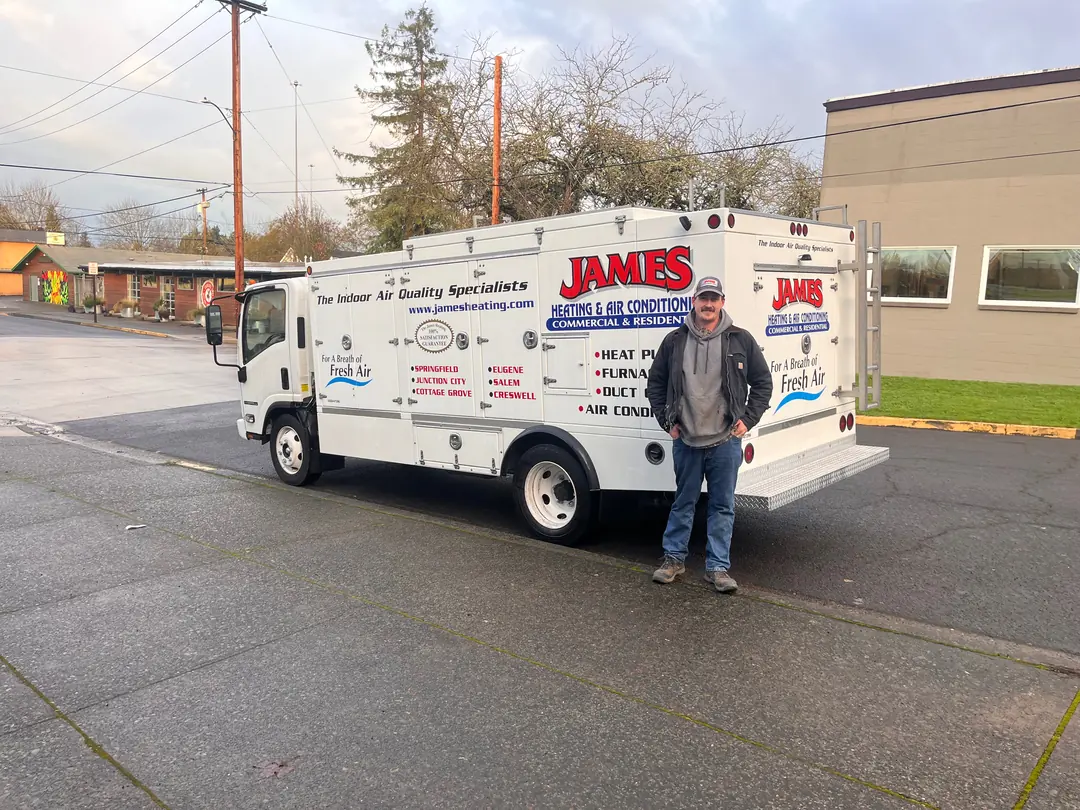
James Heating has installed heating and cooling in valley homes since 1983, and the same family business stays on for the tune-ups and repairs afterward.
- Licensed, bonded and insured under Oregon CCB #47396.
- Ruud Authorized Dealer, and a Rheem Authorized Dealer in the Salem area.
- On SUB's HVAC contractor list for Springfield Utility Board heat pump programs.
- Emergency calls answered 24/7 at both numbers, long after install day.
HVAC installation questions
What does HVAC installation include?
It covers taking out the old equipment, setting the new furnace, air conditioner or heat pump, and connecting gas, power, refrigerant lines, drain, venting and thermostat. Done properly, it also includes sizing, a start-up check and a final inspection.
How much does a new HVAC system cost?
We quote after the home visit, since system type, size, efficiency and the work your ducts, panel and venting need all move the number.
Do I need a permit to replace my furnace or AC in Oregon?
Yes. Oregon requires a mechanical permit to replace a furnace, heat pump or air conditioner, even in a straight swap, and a city or county inspector then checks the work.
What refrigerant will my new system use?
New air conditioners and heat pumps run on R-454B or R-32. Units built with R-410A before 2025 can still be installed while stock lasts, so check which one your quote names.
Our HVAC installation service areas
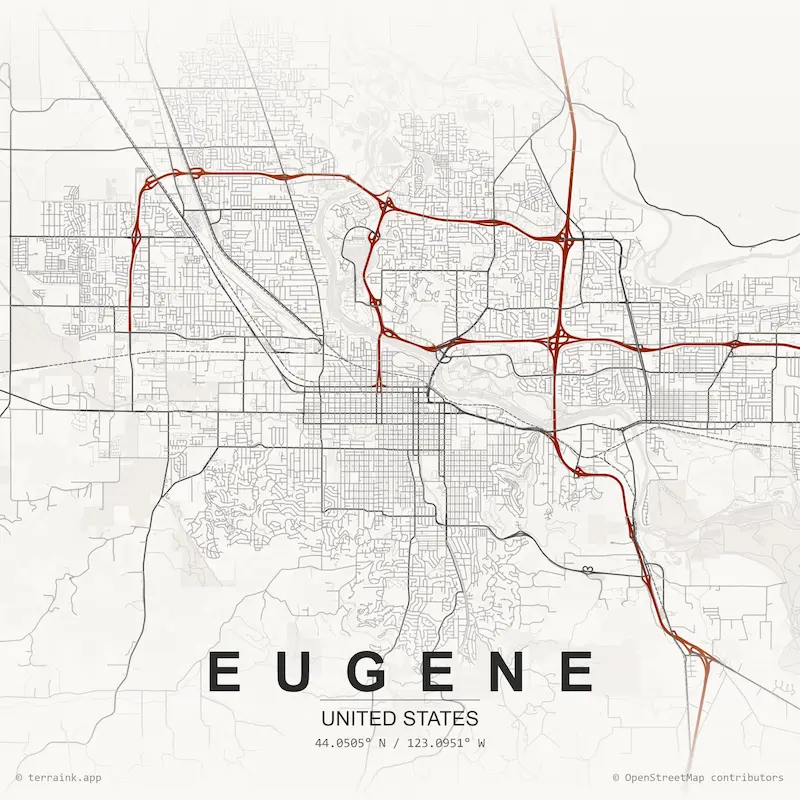
We install across Lane County and the Mid-Valley. Call the number for your area to book the visit.
What our customers say
"Your crew did a great job installing our air conditioner & I felt very comfortable with their knowledge and expertise. I can tell service is very important to your company because of that I will recommend James Heating every chance I get."
M. Morgan
"Your salesman, installers, technicians, and office ladies were all professional, courteous and helpful. We have nothing but admiration for your company and will recommend you to everyone."
The Farsson Family
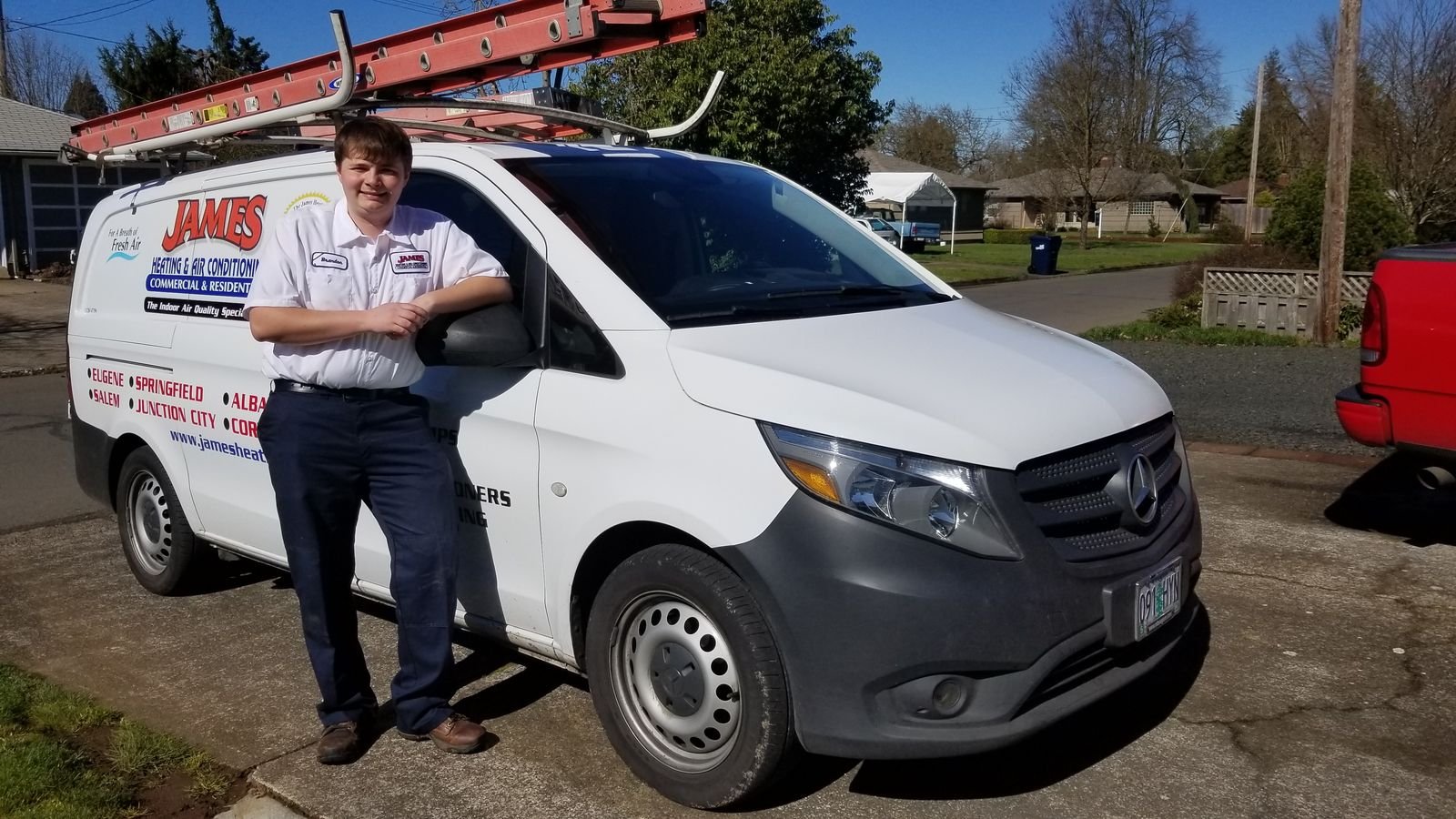
Gallery
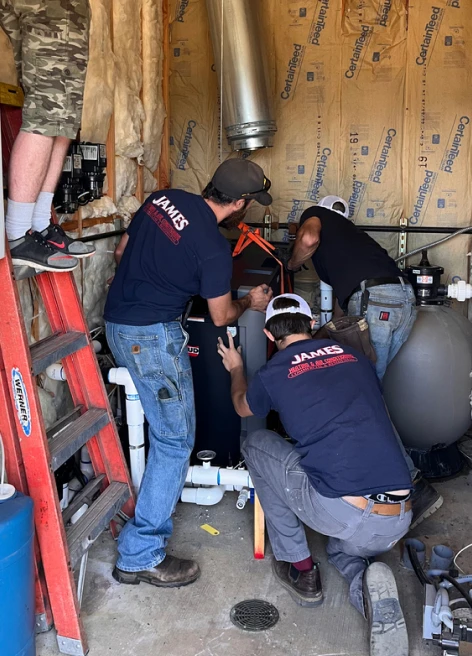
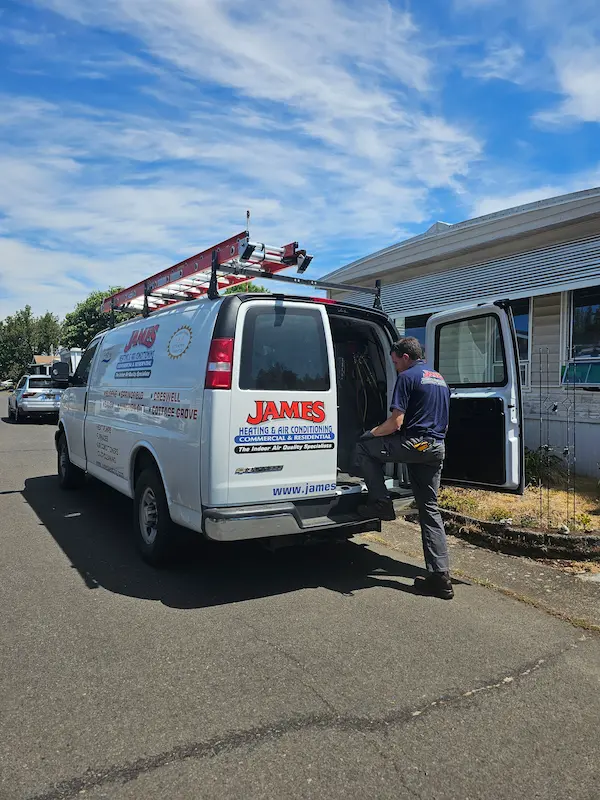
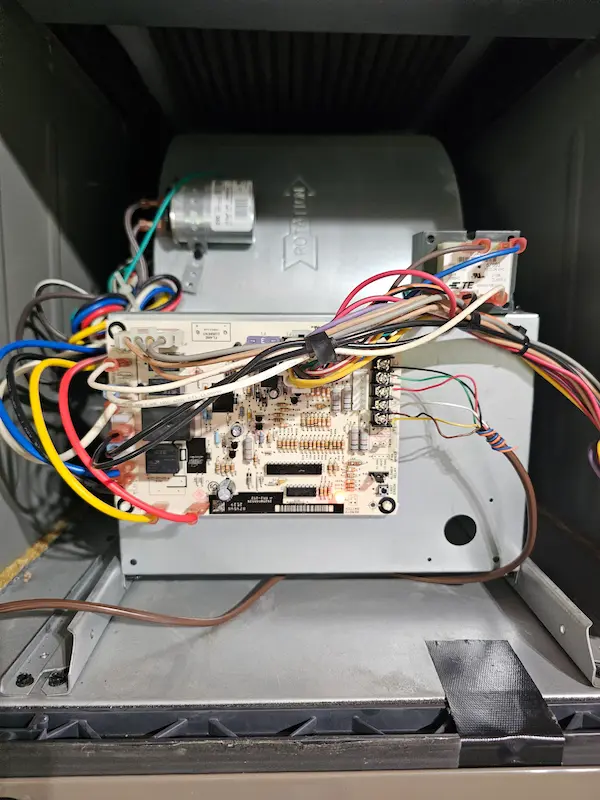
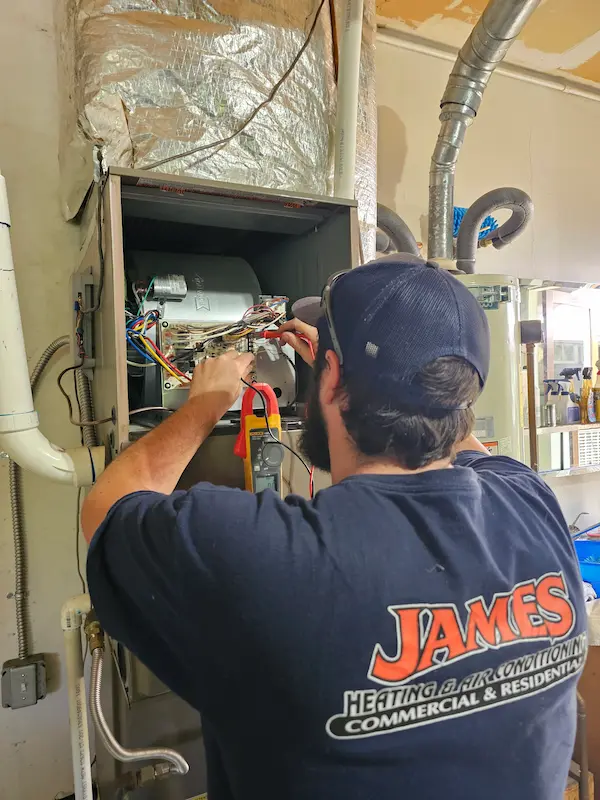
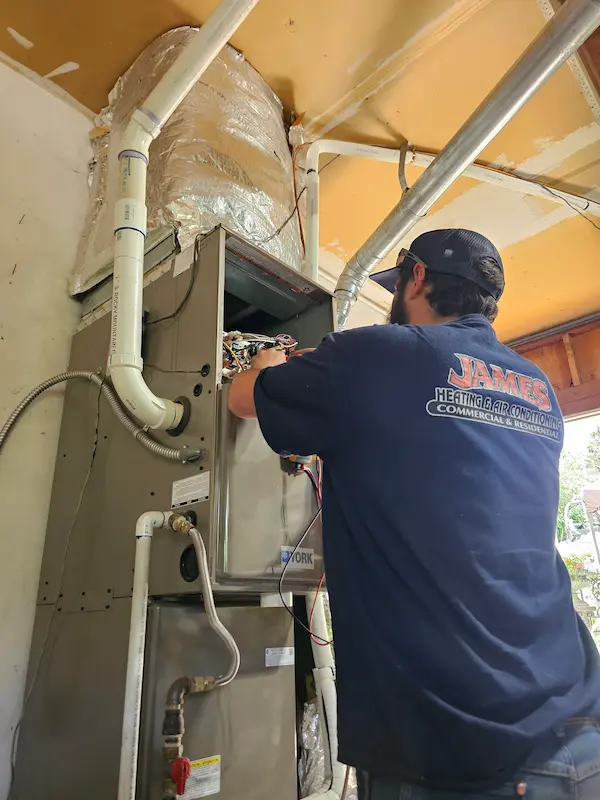
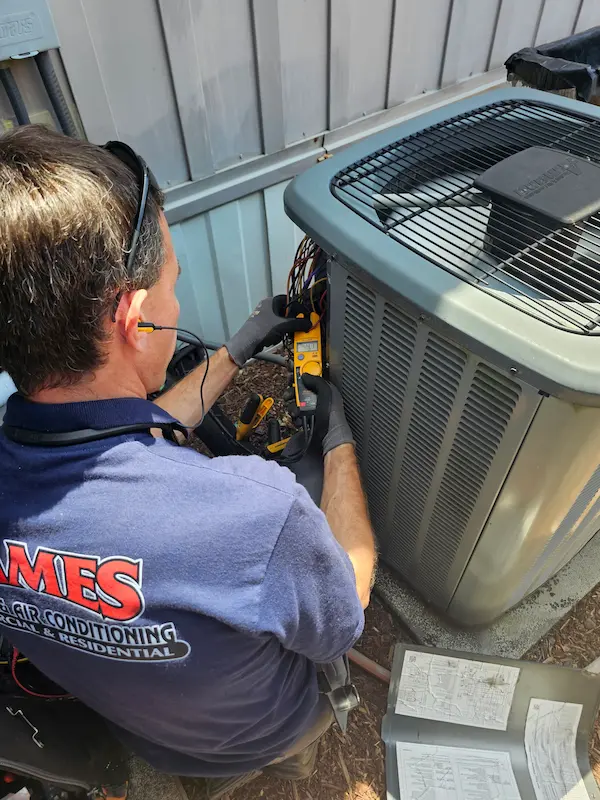
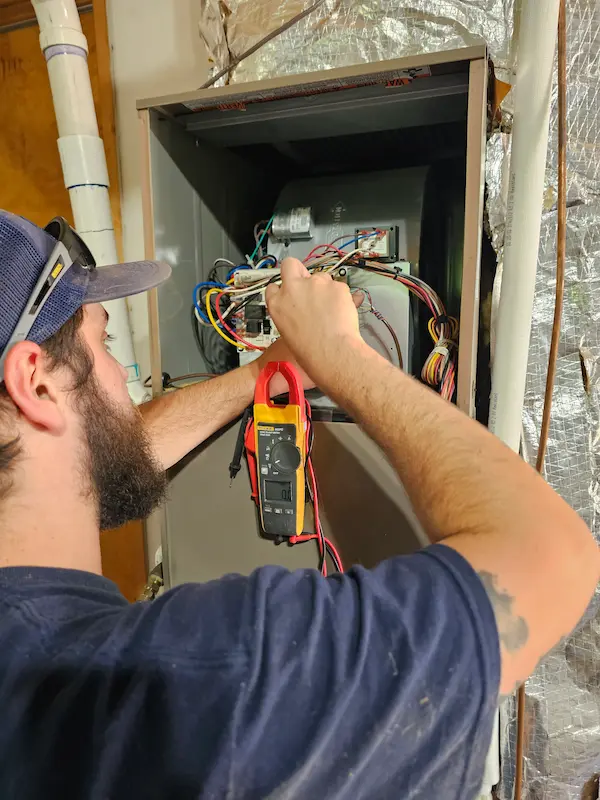
See James Heating and Air Conditioning at work. Explore our gallery of residential and commercial HVAC installations and repair services.

Schedule your HVAC installation visit
Tell us what's in the house now and roughly how old it is. Call Eugene at (541) 461-2101 or Salem at (503) 581-9982, or request an estimate, and we'll set up the home visit.
Call Eugene at (541) 461-2101 or Salem at (503) 581-9982.
Oregon CCB #47396 · Family-owned since 1983 · Ruud Authorized Dealer (Eugene and Salem) · Rheem Authorized Dealer (Salem)