





Indoor Air Quality Fixes in Eugene & Salem for Damp or Smoky Homes
Wet windows, a bathroom that never dries out or smoke inside your house trace back to moisture, ventilation or filtration. James Heating & Air Conditioning checks your fans, humidity and filter in Eugene, Springfield, Salem and Keizer homes to pin down which one before suggesting any new equipment.
Indoor air quality services we provide
We test humidity and fan airflow in Eugene, Springfield, Salem and Keizer homes before we install anything, since a damp valley house tends to need a fan fixed long before it needs new equipment.
Bath fan replacement and re-ducting
We replace weak, noisy or worn-out bath fans and re-run ducts that end in the attic, so the steam leaves through an outside wall or roof cap. Each new fan gets sized to its room.
Kitchen exhaust and make-up air
A range hood moving more than 400 CFM needs make-up air, a planned way for air to get back in. Without it, a tight house can pull exhaust down a gas flue, so we check the gas appliances for backdrafting before a big hood goes in.
ERV and HRV installation
We install ERV and HRV units in tightened, remodeled and newly built homes, where leaks no longer bring in enough outdoor air, and route the fresh air to the rooms you use most.
Whole-home dehumidifiers
When a house stays damp after the fans are fixed, we install a whole-home dehumidifier tied into your ducts and thermostat, sized to the whole house rather than a single room.
Deeper filter cabinets
When your system can't run a MERV 13 filter in its existing slot, we install a deeper filter cabinet sized to the furnace. The extra depth gives smoke-grade filtration more surface without starving the blower.
Ventilation in rentals
Tenant mold complaints commonly trace back to a weak or badly vented bath fan, so for landlords we check the fans before anything else. Small offices and shops get the same fan and filter checks from our commercial HVAC technicians.

Your furnace moves air, and we add fresh air when you need it
Your furnace or central air recirculates the air already inside. Fresh air gets in through leaks, open windows and exhaust fans unless someone added a fresh-air system on purpose, and running the furnace fan longer stirs the air without drying a damp house.
- Exhaust fans push wet air out, and replacement air leaks back in.
- A fresh-air intake ducts outdoor air to the furnace.
- A balanced system, an ERV or HRV, moves air in and out at matching rates.
Older valley homes leak enough air on their own, and tight ones don't. Cold winter air holds little water, so bringing some in and warming it lowers your indoor humidity.
Signs of trapped moisture and stale air we look for
Most of these point to moisture with nowhere to go. A valley house stays shut for months, so steam from showers, cooking and laundry ends up on the coldest surface it can find, though a little fog in the bottom corners of older windows on the coldest mornings is normal.
If a CO alarm sounds or you smell gas, get everyone outside first. Then call 911, and for gas also NW Natural at 800-882-3377, from outside.
Wet windows every morning
Water on the inside of the glass means the air holds more moisture than the cold pane can take. Check whether your bath fan runs long enough after showers before you blame the windows.
Black spots on frames or ceilings
Spots on window frames, bathroom ceilings or closet walls grow where the same moisture keeps landing. Clean the spot, then deal with the moisture behind it, or the spots come back.
A mirror that stays fogged
If the mirror is still fogged well after a shower, the bath fan is weak, badly ducted or not running long enough. Hold a square of toilet paper to the running fan's grille, and it should cling.
Cooking smells that linger
Smells that hang around into the next day point to a range hood that recirculates instead of venting outside, or one too small for the cooktop. Check where its duct ends.
Stuffiness after new windows or insulation
Sealing a house cuts the outdoor air that leaks used to bring in for free. A morning humidity reading in a bedroom tells you whether the house now needs planned fresh air.
A musty crawlspace smell
Many valley homes sit on vented crawlspaces that stay damp all winter. Look for standing water or a torn vapor barrier, since that damp air can reach the rooms above.
We help you keep humidity in a healthy range
The EPA recommends keeping indoor relative humidity below 60 percent, ideally between 30 and 50. A hygrometer, a small humidity gauge from any hardware store, shows where your house stands, so check a bedroom each morning for a week.
- In winter, fix ventilation first, and add a dehumidifier only if the readings stay high.
- Vent your clothes dryer outdoors.
- An AC that's too big for the house runs in short bursts and pulls less moisture out in summer.
- A portable dehumidifier suits one damp room, while a ducted unit suits a house that stays damp.
- Below about 30 percent, the air feels dry and static-y.


We check three things on a bath fan
A bath fan clears steam only if it vents outdoors, moves enough air and runs long enough. Oregon requires bath and kitchen exhaust to go outside, never into an attic or crawlspace, where warm, wet air condenses on cold wood.
- Where it ends. The duct should run short and smooth to an outside wall or roof cap.
- How much it moves. We size the fan to Oregon code for the room, and ENERGY STAR certifies models that use less power.
- How long it runs. A timer or humidity control keeps it going after the shower ends.
In older homes, our technicians check for fans ducted into the attic, crushed flex duct and fans wired to the light switch.
We install ERV and HRV systems for tight and remodeled homes
An ERV and an HRV are both balanced fresh-air systems. Each swaps stale indoor air for outdoor air through a core where the outgoing air warms the incoming air, and the difference is what else crosses over.
What it passes along
HRV (heat recovery ventilator)Heat
ERV (energy recovery ventilator)Heat and some moisture
Indoor humidity
HRV (heat recovery ventilator)Sends more moisture out
ERV (energy recovery ventilator)Holds more moisture in
Suits
HRV (heat recovery ventilator)Homes that run damp
ERV (energy recovery ventilator)Homes that run dry
Upkeep
HRV (heat recovery ventilator)Filters checked every few months, core cleaned about yearly (manufacturer guidance)
ERV (energy recovery ventilator)Filters checked every few months, core cleaned about yearly (manufacturer guidance)
Tight homes do well with either, so the choice comes down to how damp your house runs and how many people live in it. Most older, leakier houses need neither unit. ENERGY STAR's ventilation label covers fans, not ERV or HRV units. James Heating sizes each unit to the house, and our technicians clean the core and check the filters during regular maintenance visits.
How we get your HVAC ready for wildfire smoke
LRAPA, Lane County's air agency, calls smoky skies normal from July through September, and the 2020 fires drove Lane County's air quality index to 494, the highest since monitoring began in 1968. Salem gets the same late-summer smoke, and we check your filter slot before it arrives. On smoke days, the EPA says to close up and filter the air inside.
- Track the air on LRAPA, oregonsmoke.org or AirNow.
- Shut the windows, close the fresh-air intake or set the system to recirculate.
- Fit a MERV 13 filter, or the highest rating your system can take.
- Set the thermostat fan to ON, not AUTO, so air keeps moving through the filter.
- Check the filter weekly in heavy smoke, and change it when it turns grey.
Air filters and MERV ratings we check on your system
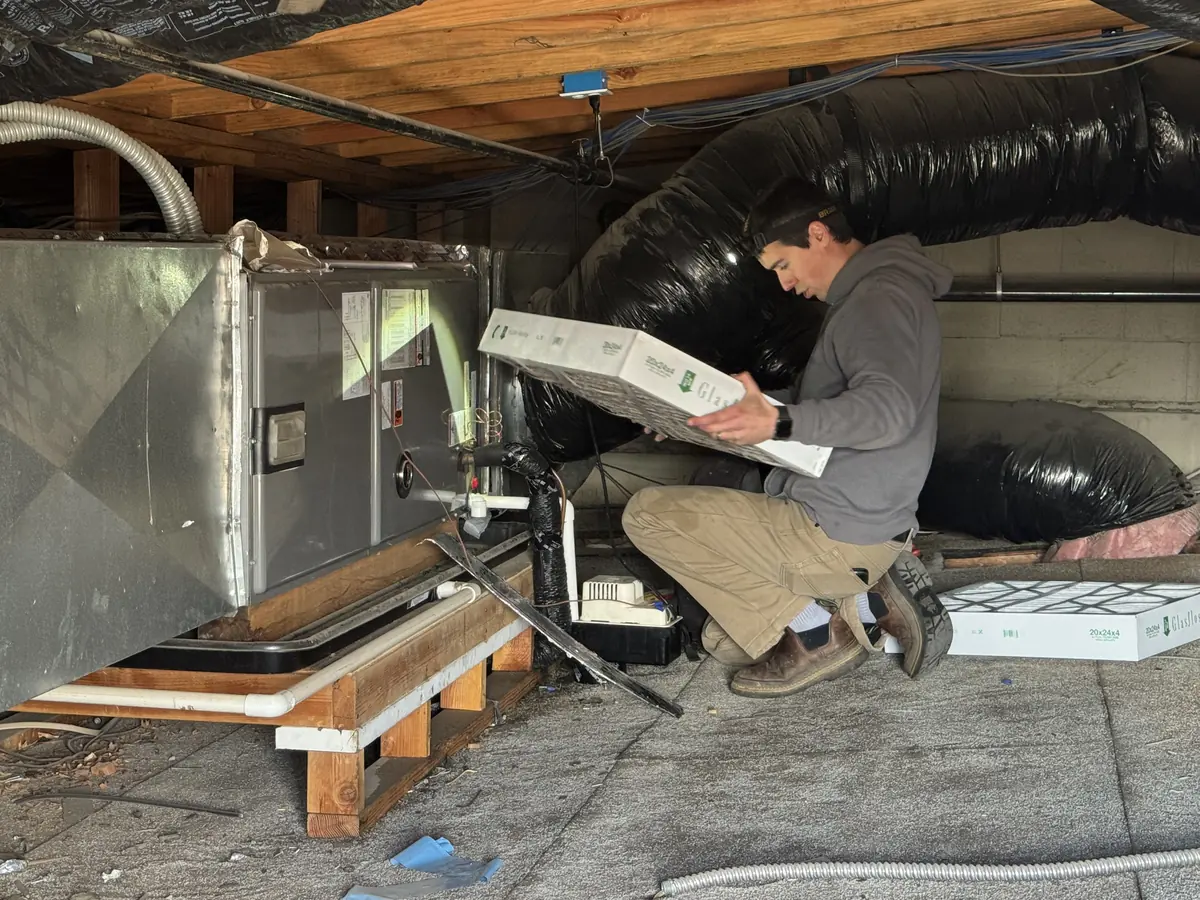
MERV is a 1 to 16 score for how well a filter catches small particles. A higher number traps finer dust and smoke, but it also makes your blower work harder, so the right filter is the highest MERV your system handles, sized to fit the slot with no gaps.
Basic fiberglass
CatchesLarge dust and lint
Good forProtecting the equipment
MERV 8 to 11 pleated
CatchesEveryday dust and pollen
Good forMost homes, most of the year
MERV 13
CatchesFine smoke particles
Good forSmoke season, if your system can take it
Some older systems with a 1-inch filter slot lose airflow on a MERV 13. We test static pressure, how hard your blower is pushing, to see what yours can take, and the EPA itself says you may need an HVAC technician to find that limit. Weak air at your vents, a louder blower or ice on the AC coil can point to an airflow or blower problem, and how often to change your filter shifts with the season.

How our air quality visit works
We start with what you've noticed and when, because a winter-only problem and a smoke-season problem have different fixes.
- Ask. You tell us the symptoms and when they show up.
- Measure. We take humidity readings in the problem rooms.
- Trace the fans. Our technicians check where each bath and kitchen fan vents.
- Test the air path. We check filter fit and test static pressure at the blower.
- Check the gas appliances. We inspect the furnace and water heater flues for safe venting.
- Talk it through. We explain what we found, simplest fix first, and give you a price before any work starts.
Why homeowners choose us for indoor air quality
James Heating has installed and serviced heating and cooling systems in the valley since 1983, family-owned the whole time, so the fans and filters we recommend fit the equipment they work alongside.
- Smallest fix first. Most wet-window homes need better fans and different habits, not a new system, and we say so.
- A written price first. Nothing gets installed until you've agreed to it.
- Licensed, bonded and insured under Oregon CCB #47396.
- 24/7 for the urgent calls. Both numbers answer emergency calls day and night.

Indoor air quality and ventilation questions
What is indoor air quality?
Indoor air quality describes how clean, dry and fresh the air inside your home is. Moisture, the fresh-air supply, particles such as smoke and pollen, and gases from cooking and gas appliances all shape it, and in valley homes winter damp and summer smoke are the two problems we see most.
What does an indoor air quality fix cost?
We quote after the visit, with a written price before work starts, and the fix sets the number. Attic or wall access and new ducting move the price of a bath fan, home size and duct layout move an ERV or HRV, and cabinet depth and furnace fit move a filter cabinet. Ventilation rebates come and go, and each utility sets its own rebate list, so we don't promise a rebate on ventilation work until your utility confirms it.
Does Oregon code require whole-house ventilation?
For new homes, yes. Oregon requires a balanced whole-house ventilation system in new homes, one that moves fresh air in and stale air out at matching rates. Existing homes generally don't have to add one, though a new bath fan should be sized to code and vented outdoors.
Will duct cleaning fix my indoor air quality?
Rarely. Cleaning ducts doesn't lower indoor humidity or catch smoke particles, so fans, humidity control and filters come first. James Heating cleans ducts too, and cleaning is worth it for mold on metal ducts, rodents or debris blowing from the vents.
Will a whole-home air purifier help with wildfire smoke?
Not with the particles. ActivePure says its in-duct Air Scrubber reduces smoke odor, but it doesn't trap particles, so smoke still calls for a MERV 13 filter or a portable air cleaner sized for the room. The EPA advises choosing a portable unit that doesn't produce ozone.
Our indoor air quality service areas
We cover Lane County and the Mid-Valley, so call the number for your area.
What our customers say
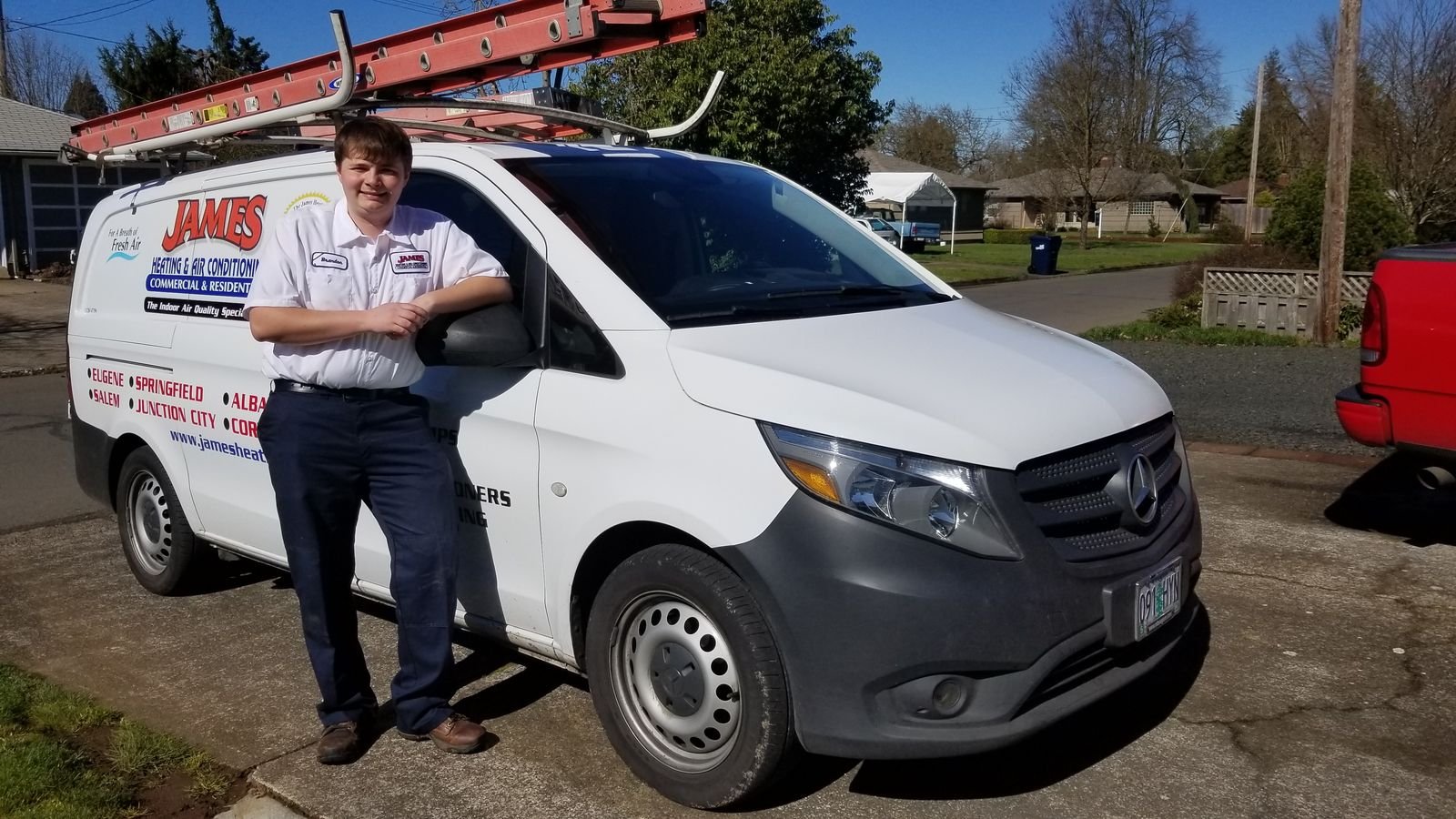
"Your salesman, installers, technicians, and office ladies were all professional, courteous and helpful. We have nothing but admiration for your company and will recommend you to everyone."
The Farsson Family
"We are very pleased with the professional attitude and workmanship that your technician did for us. We will surely recommend your company to our friends."
K. Thiele
Gallery
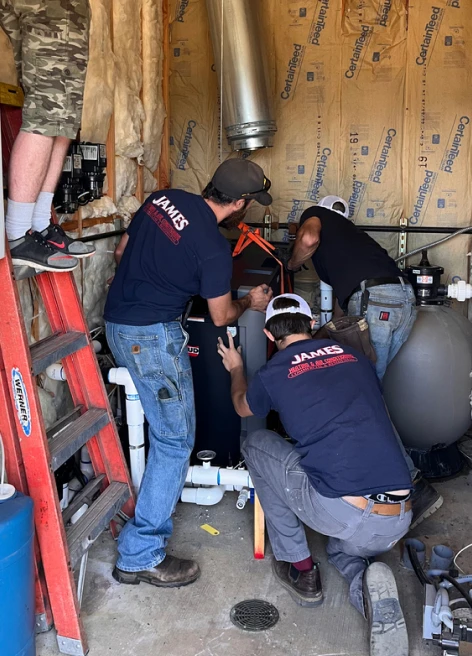
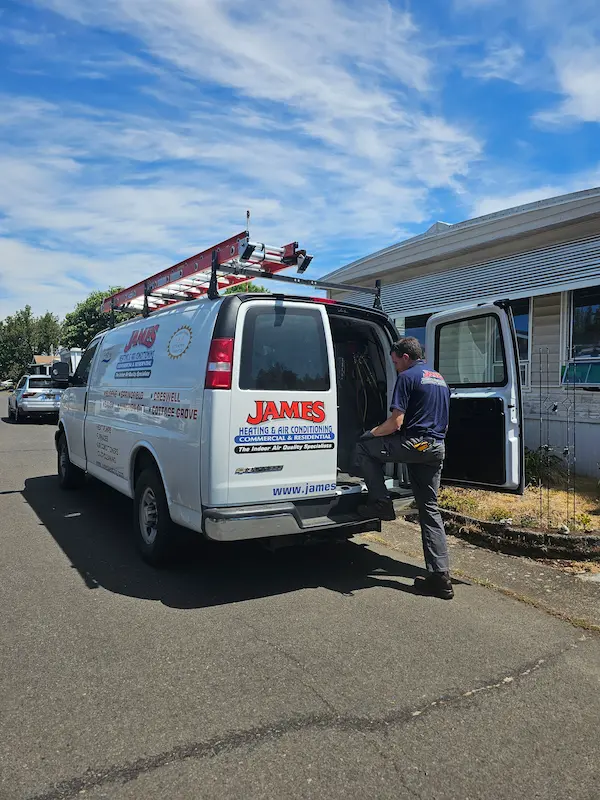
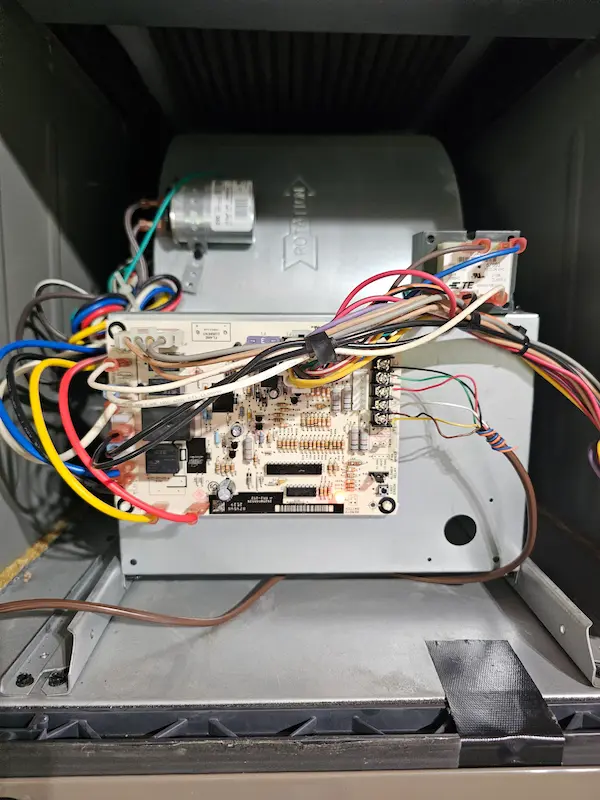
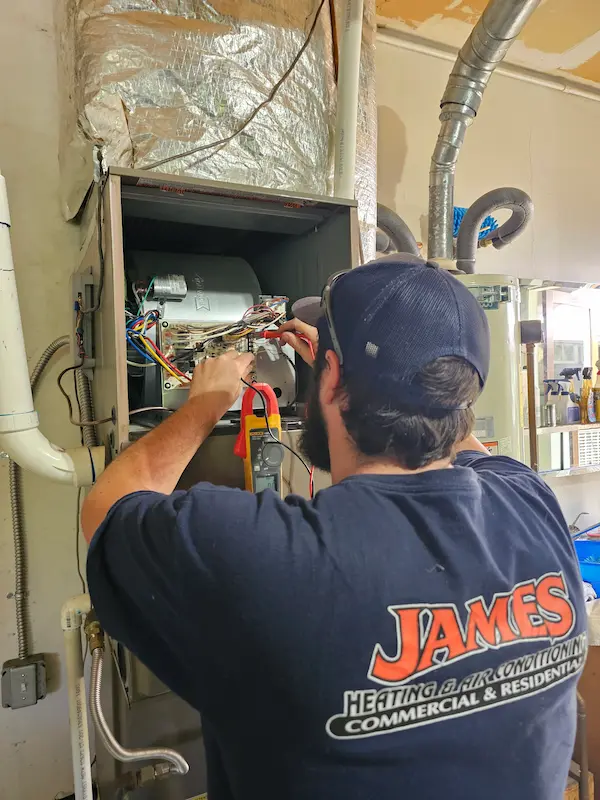
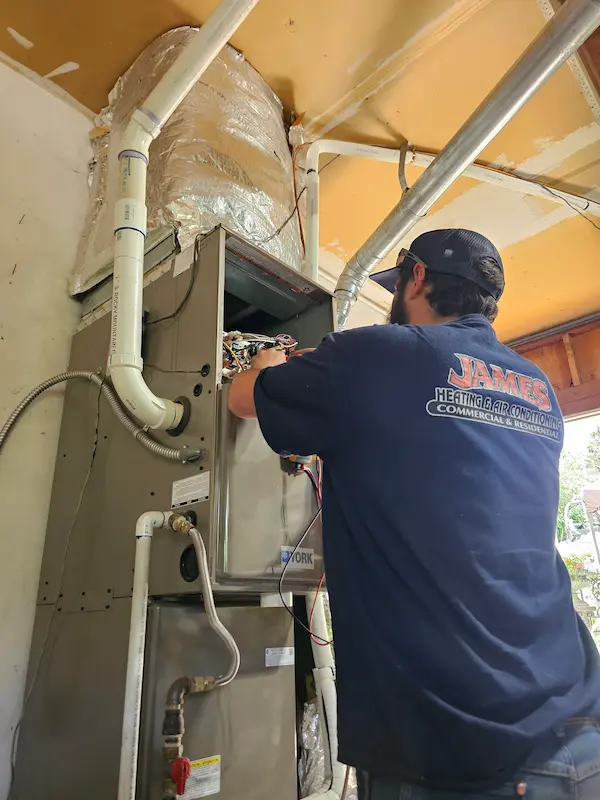
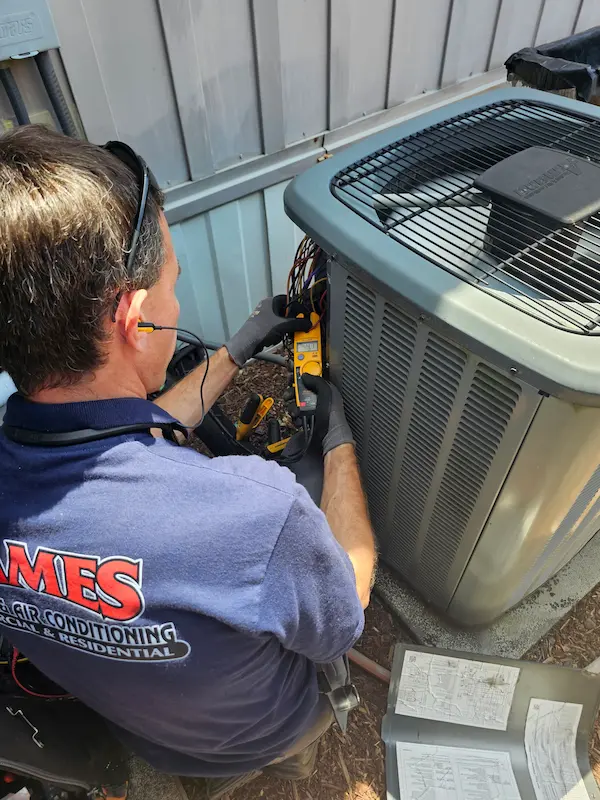
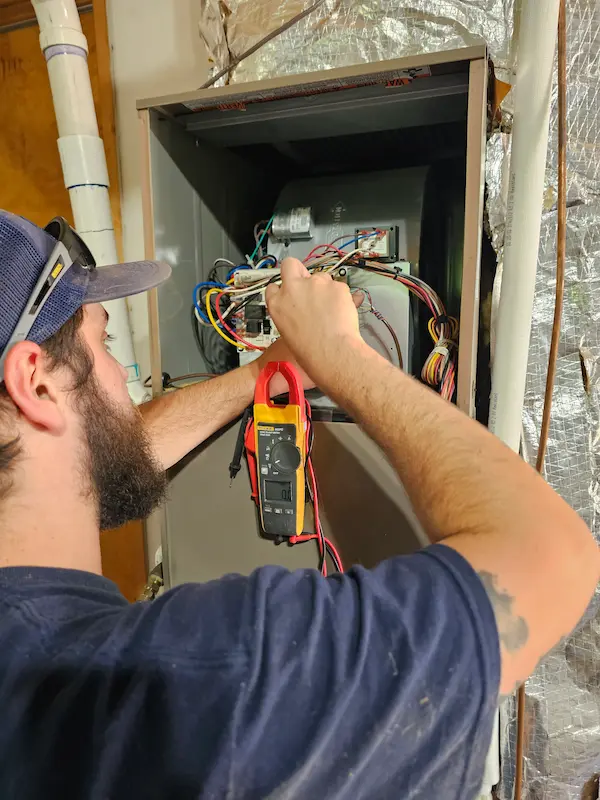
See James Heating and Air Conditioning at work. Explore our gallery of residential and commercial HVAC installations and repair services.

Book an air quality visit
Tell us what you're seeing, whether it's wet windows, a damp bathroom or smoke getting in, and we'll talk you through the first checks on the phone. Call Eugene at (541) 461-2101 or Salem at (503) 581-9982, or send us a message.
Call Eugene at (541) 461-2101 or Salem at (503) 581-9982.
Oregon CCB #47396 · Family-owned since 1983 · Licensed, bonded and insured