





HVAC Preventative Maintenance in Eugene & Salem, Before Peak Season
We clean, test and adjust your furnace, air conditioner or heat pump before the season it works hardest, so a weak part turns up on a mild day instead of the coldest morning. Book heating in fall, cooling in spring, and a heat pump for both.
Tune-ups and maintenance we provide
James Heating & Air Conditioning tunes up gas furnaces, central air conditioners, heat pumps and ductless mini-splits for homes from Florence to Silverton. Our technicians clean coils, test safety controls and measure refrigerant charge before the first cold week or heat wave.
Gas furnace tune-up
We clean and inspect the burners, check the igniter and clean the flame sensor, the thin rod that tells the furnace the burner is lit. Gas pressure, piping connections, the thermostat and the safety controls get tested too.
Furnace venting and combustion check
We inspect the flue and vent pipe, look over the heat exchanger and run a combustion and carbon monoxide check. Where a gas water heater shares the vent, we add a draft check at the heater.
Central air conditioner tune-up
We clean the outdoor coil, straighten bent fins and check the indoor coil. Our technicians measure the refrigerant charge and test the capacitor and contactor, and a low charge sends us looking for the leak rather than topping it off.
Heat pump and dual fuel tune-ups
A heat pump gets the full cooling checklist in spring, then the reversing valve, defrost control and any backup heat strips in fall. On a dual fuel system, we check the gas furnace too at the fall visit.
Ductless mini-split maintenance
We wash the filters in each indoor head of a ductless heat pump, check the indoor coil, flush the condensate lines and clean the outdoor unit. A deeper wash of the coil and blower wheel happens when a head needs it.
Filters, airflow and drains
Whatever the system, we check the filter, airflow, electrical connections and thermostat cycling. That includes the blower motor, and the belt on older belt-drive furnaces, oiling only motors that have oil ports. Cooling equipment gets its condensate drain flushed.
When we schedule tune-ups for each system
ENERGY STAR recommends a pre-season check-up each year, cooling in spring and heating in fall, and we book the same way. Heat pumps work in both seasons, so they get both visits.
Central air conditioner
Visits per year1
Best timingSpring, April or May
Why thenBefore the first hot week
Gas furnace
Visits per year1
Best timingEarly fall, September or early October
Why thenBefore heating season, which runs roughly October through April
Heat pump
Visits per year2
Best timingSpring and fall
Why thenIt cools all summer and heats all winter
Ductless mini-split
Visits per year1 or 2
Best timingSpring, fall or both
Why thenTwice when it both heats and cools the room
Dual fuel (heat pump plus furnace)
Visits per year2
Best timingSpring and fall
Why thenThe fall visit covers both heat sources
Fall matters most in the valley, because a fault that develops while the furnace sits idle all summer shows up the first day it has to work hard.

How our tune-up visit works
A visit follows the checklist for your equipment, and you decide on anything beyond it.
- Book by season. Call the office for your area in early fall or in spring.
- We clean and test. Our technicians service each system in the house against its own checklist.
- You see what we found. Worn parts and readings out of range, sorted by how soon they matter.
- You get a price before any repair. Small fixes can often happen on the same visit once you say yes.
- Safety problems come first. A cracked heat exchanger or a high carbon monoxide reading may mean we shut the furnace off and tell you right away.
Signs your system is overdue for a tune-up
None of these means the system is broken, only that it's due. A system that has already quit gets a diagnostic and repair visit first, because a tune-up can't fix a failed part.
No record of the last visit
If nobody can say when the furnace or AC was last serviced, treat it as overdue. Book it, and keep a note of the date, the system and what was checked, so next year's answer is easy.
A filter from a smoky summer
A filter that ran through a smoky August can be spent by September. ENERGY STAR says to check it monthly and change it at least every three months, sooner when it looks dirty.
Leaves or cottonwood on the outdoor coil
Units under trees clog in late spring and again in fall, and a matted coil can't shed heat. We clean it at the spring visit, before the first hot week leans on it.
Salt air on a coastal unit
Our Eugene office services Florence and Dunes City homes, where salt air corrodes outdoor coils and electrical connections faster than it does inland. Those connections deserve a close look every year.
Run times creeping up year after year
A slow climb in run time and bills usually means dirt on the coil or filter, which a tune-up clears. A sudden jump with no change in comfort is a repair call instead.
A warranty that asks for regular service
Many manufacturers require regular maintenance for warranty coverage and can deny a claim traced to neglect. Check yours, and ask us for a written note of what was checked at each visit as proof.
Care you can do between our visits
You look after the filter, outdoor unit, vents and alarms. Our technicians handle anything behind a panel, electrical, gas or refrigerant, and at the furnace you open only the filter door.
- Write the install date on the filter's edge, so you know when it's due.
- Keep leaves off the outdoor unit and trim plants back about 2 feet.
- Shut the power off at the outdoor disconnect before hosing the coil gently. A pressure washer flattens the fins.
- Keep rugs and furniture off the vents, and test your smoke and carbon monoxide alarms.
- Keep paint cans, cleaners and cardboard away from the furnace.
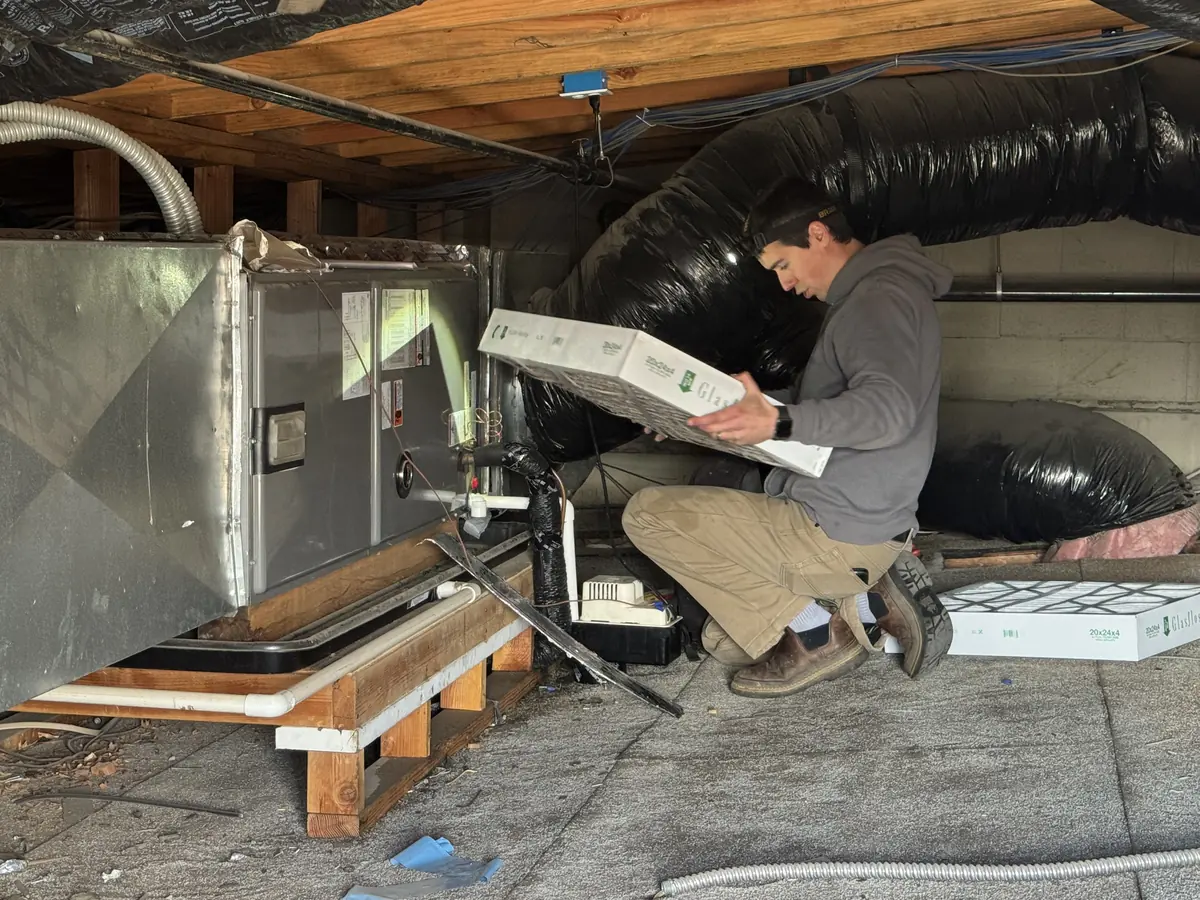

What sits outside our tune-up visit
A tune-up keeps a working system healthy. Five kinds of problem fall outside it, and each one is booked differently.
- A system that has stopped working. That's a diagnostic and repair visit, booked the same way.
- A home-sale or rental safety check. Buyers, sellers and landlords get a written HVAC safety inspection, which tests the system but doesn't clean it.
- Dirty ductwork. A tune-up checks airflow at the equipment, while the ducts themselves get air duct cleaning.
- Business equipment. James Heating maintains rooftop units and shop furnaces on their own spring and fall schedule through commercial HVAC service.
- A gas smell. Never wait for a tune-up. Leave the house, then call 911 and NW Natural at 800-882-3377 from outside.
How valley weather wears on the systems we service
Damp winters keep heat pumps defrosting. A unit that pauses and steams for a few minutes in cold rain is normal, but one iced solid for hours isn't, and the defrost control we test each fall is the part that prevents it.
Wildfire smoke is the summer problem. The EPA suggests a MERV 13 filter or higher during smoky periods if your system can take it, since a denser filter can choke airflow on some blowers. We check your blower before you upgrade, and for smoke that settles in for days we also handle ventilation and indoor air quality.
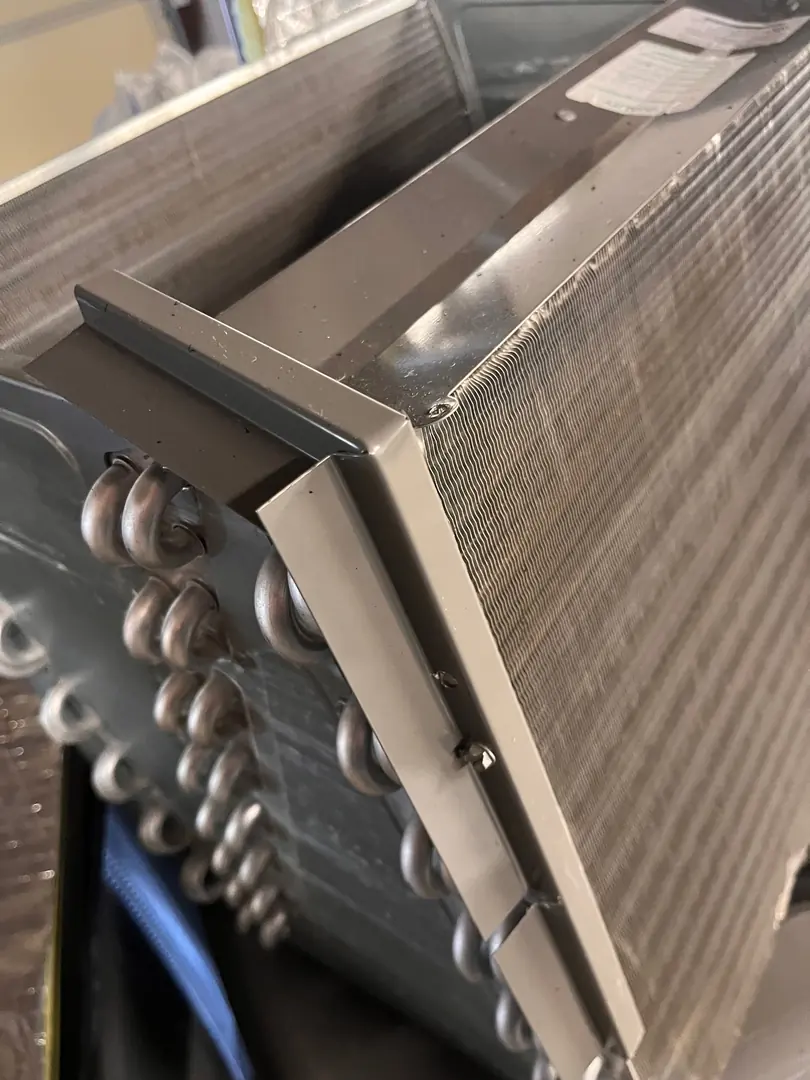

Why homeowners choose us for tune-ups
James Heating has serviced furnaces and air conditioners since 1983, and the family-owned company that tunes up your system is the one you call if it fails mid-season.
- Licensed, bonded and insured under Oregon CCB #47396.
- EPA 608 certified for the refrigerant checks on air conditioners and heat pumps.
- Straight advice. If your furnace or AC has years left in it, we say so.
- Ruud Authorized Dealer, and a Rheem Authorized Dealer in the Salem area, for the year a tune-up shows the system is done.
- Answered 24/7. We answer both numbers if something fails between visits.
HVAC maintenance questions
What is HVAC preventative maintenance?
It's a scheduled visit where a licensed technician cleans, tests and adjusts your heating and cooling before the season it works hardest, to catch slow wear before it causes a breakdown. Preventive and preventative are two spellings of the same thing.
How often should I get HVAC preventative maintenance?
Once a year for a furnace or an air conditioner. A heat pump or dual fuel system gets two visits, because it carries both heating and cooling.
How much does an HVAC tune-up cost?
We quote when you call, because the price follows what you have, and the number and type of systems move it most. Deep cleaning a badly clogged coil or a mini-split blower wheel, clearing a fully blocked drain, parts such as a capacitor or flame sensor, refrigerant and hard-to-reach equipment add to it.
Who performs preventive maintenance on home AC systems?
A licensed HVAC contractor, and the same goes for furnaces. Oregon requires a Construction Contractors Board license for the work, so look the contractor up; ours is CCB #47396. Federal rules require anyone who handles refrigerant to hold EPA Section 608 certification.
My system runs fine. Can I skip a year?
You can, but wear doesn't show until a part quits. A weak capacitor or a dirty flame sensor gives little warning and tends to fail on the first hard day of the season, which is exactly what a tune-up finds early.
Are there rebates for tune-ups?
Not from Energy Trust of Oregon, whose 2026 incentive list doesn't include tune-ups. The federal 25C credit never covered them and ended for equipment installed after December 31, 2025. New equipment is a different story, since EWEB, SUB, Salem Electric and Energy Trust each run their own HVAC rebates.
Our HVAC maintenance service areas
Book through the office closest to home, and ask for a reminder before next season while you're on the phone.
What our customers say
"When I think of 'hassle Free' service, James Heating & AC is first on my list."
P. Rollins
"We appreciate your courteous and prompt service, it is so reassuring to know that we can depend on you to help us if we have problems."
The Richmonds
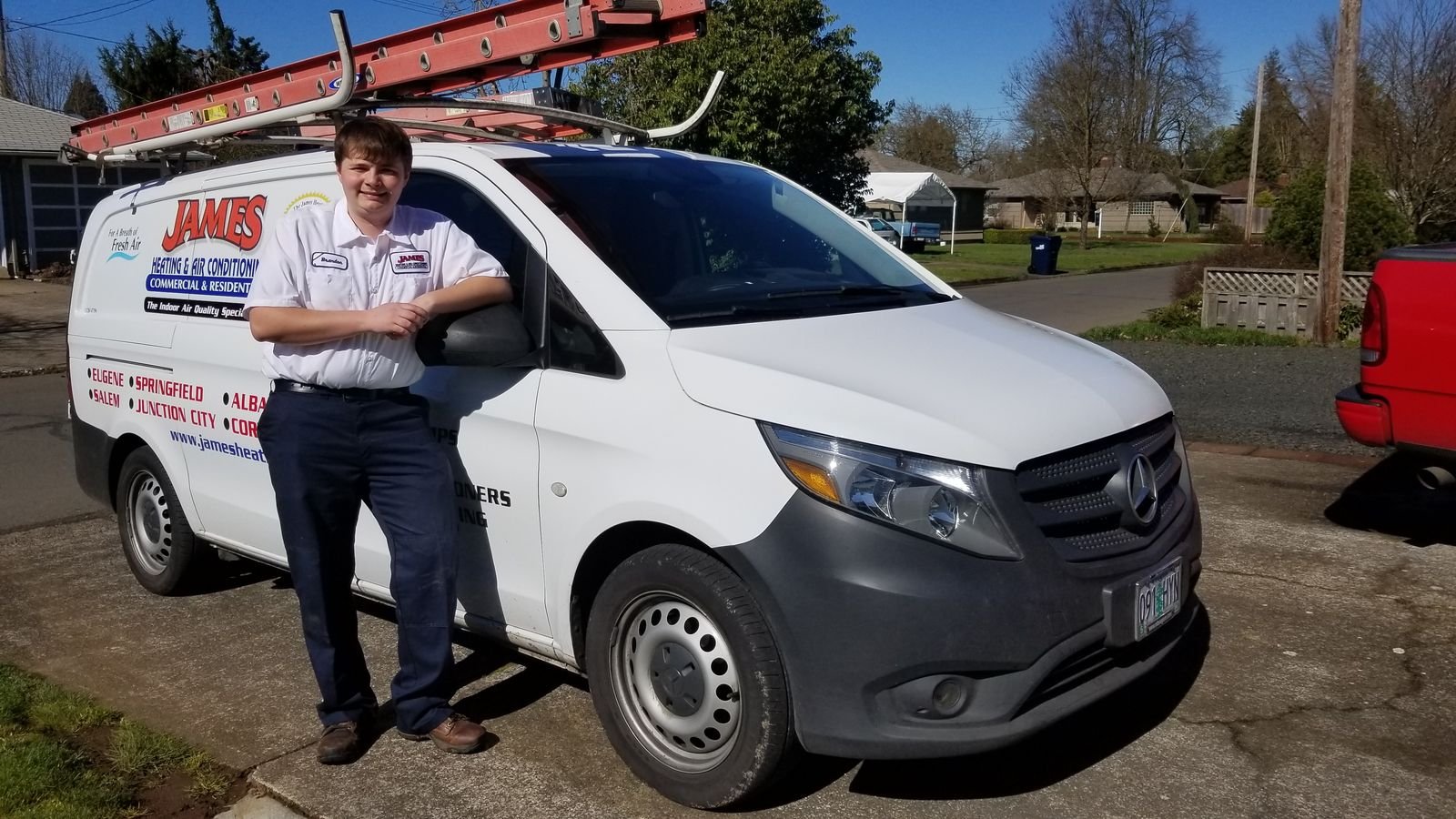
Gallery
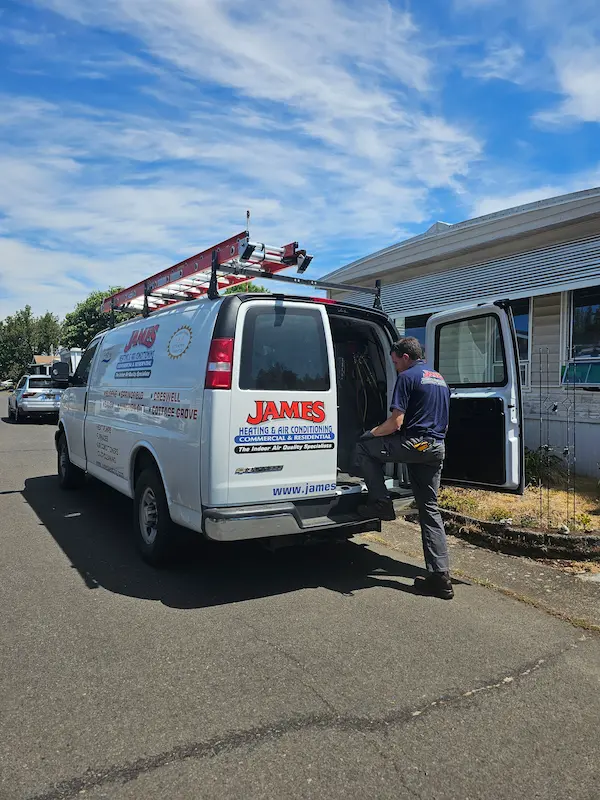
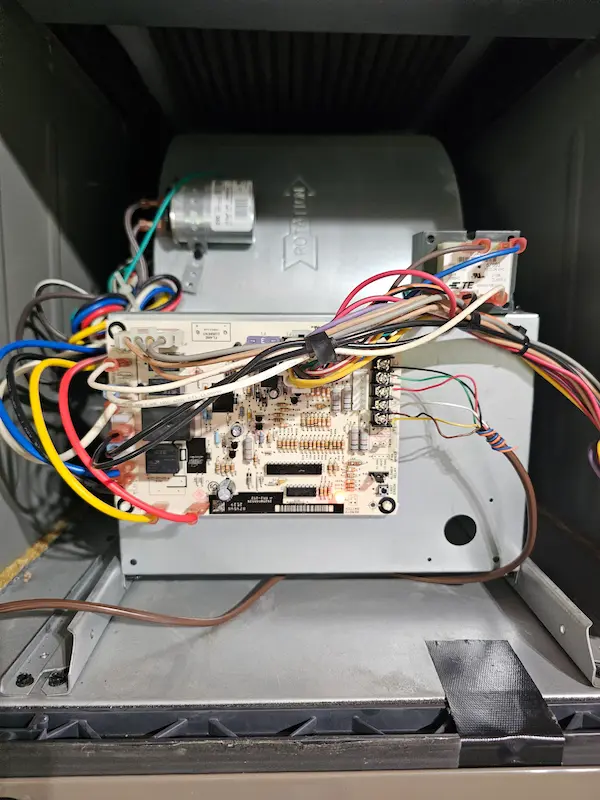
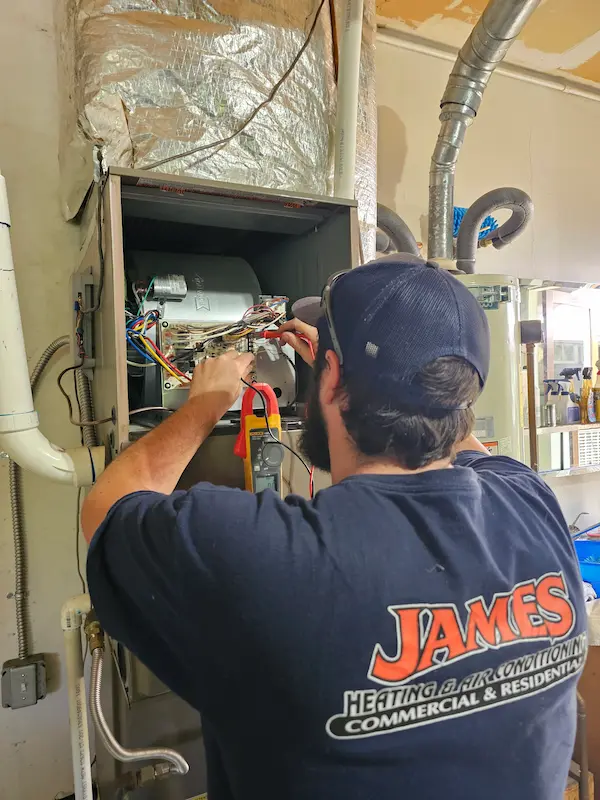
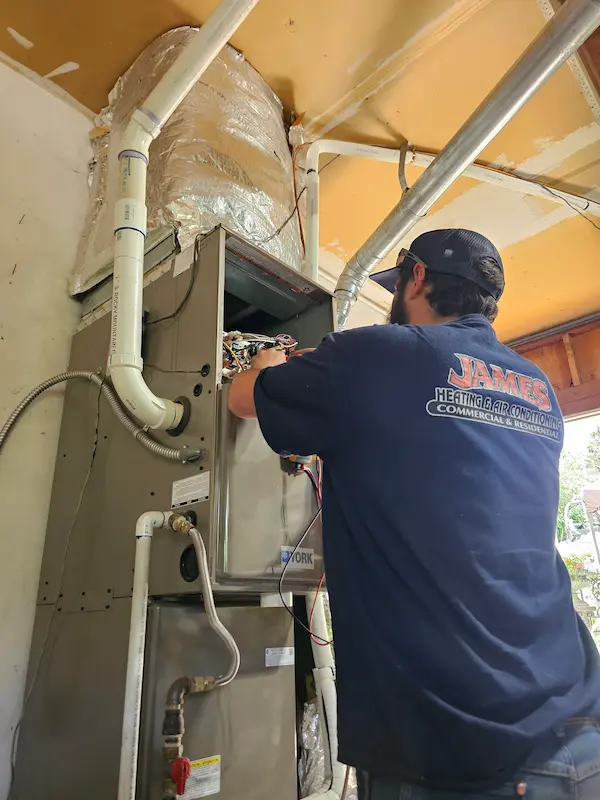
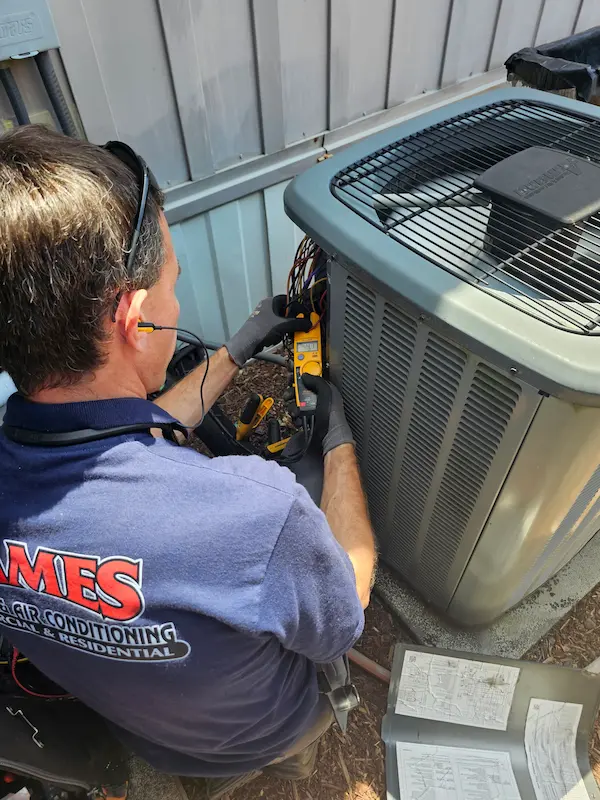
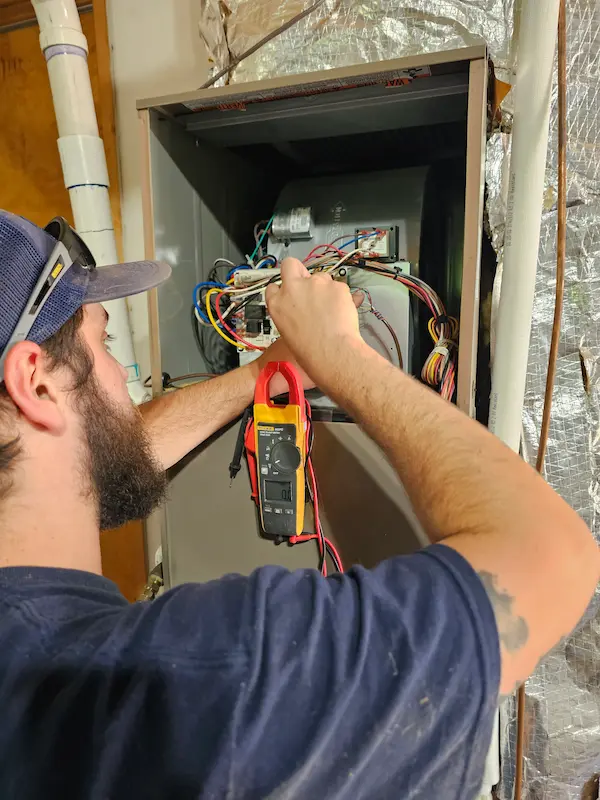
See James Heating and Air Conditioning at work. Explore our gallery of residential and commercial HVAC installations and repair services.
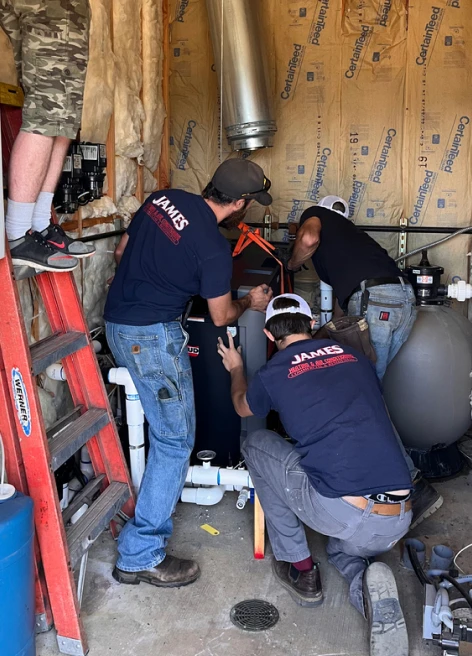

Book your HVAC tune-up
James Heating services furnaces in fall and air conditioners in spring, so tell us what you have and when it was last serviced. Call Eugene at (541) 461-2101 or Salem at (503) 581-9982, or send us a message.
Call Eugene at (541) 461-2101 or Salem at (503) 581-9982.
Oregon CCB #47396 · Family-owned since 1983 · Licensed, bonded and insured · Offices in Eugene and Salem