






Low Refrigerant Symptoms Homeowners Should Never Ignore
If your air conditioner has lost cooling power, low refrigerant symptoms may be the reason. Refrigerant helps the system remove heat from inside the home. When refrigerant levels drop, cooling weakens, run times increase, and energy use often rises.
James Heating & Air Conditioning regularly sees this issue in homes across Eugene, Springfield, Cottage Grove, Junction City, Veneta, and nearby Oregon communities during cooling season. In most cases, refrigerant does not simply “run out.” Instead, low refrigerant levels usually point to a leak somewhere in the system.
Recognizing these warning signs early can help prevent compressor damage and larger repair costs later.
Why Low Refrigerant Symptoms Happen
A sealed air conditioning system should maintain the same refrigerant charge for years. If levels become low, something has changed.
Common causes include:
- Small refrigerant leaks
Tiny leaks can develop around fittings, coils, or worn connections. - Corrosion on coils
Indoor and outdoor coils may develop pinhole leaks over time. - Loose service valves or caps
Failed seals may allow refrigerant to escape slowly. - Past improper repairs
Incorrect charging during previous service can create ongoing problems. - Age and vibration
Older systems naturally experience wear after years of operation.
Simply adding refrigerant without fixing the leak usually leads to recurring cooling problems.
Why Refrigerant Leaks Should Be Repaired Quickly
Low refrigerant forces the system to work harder. As a result, compressor damage and higher operating costs often follow.
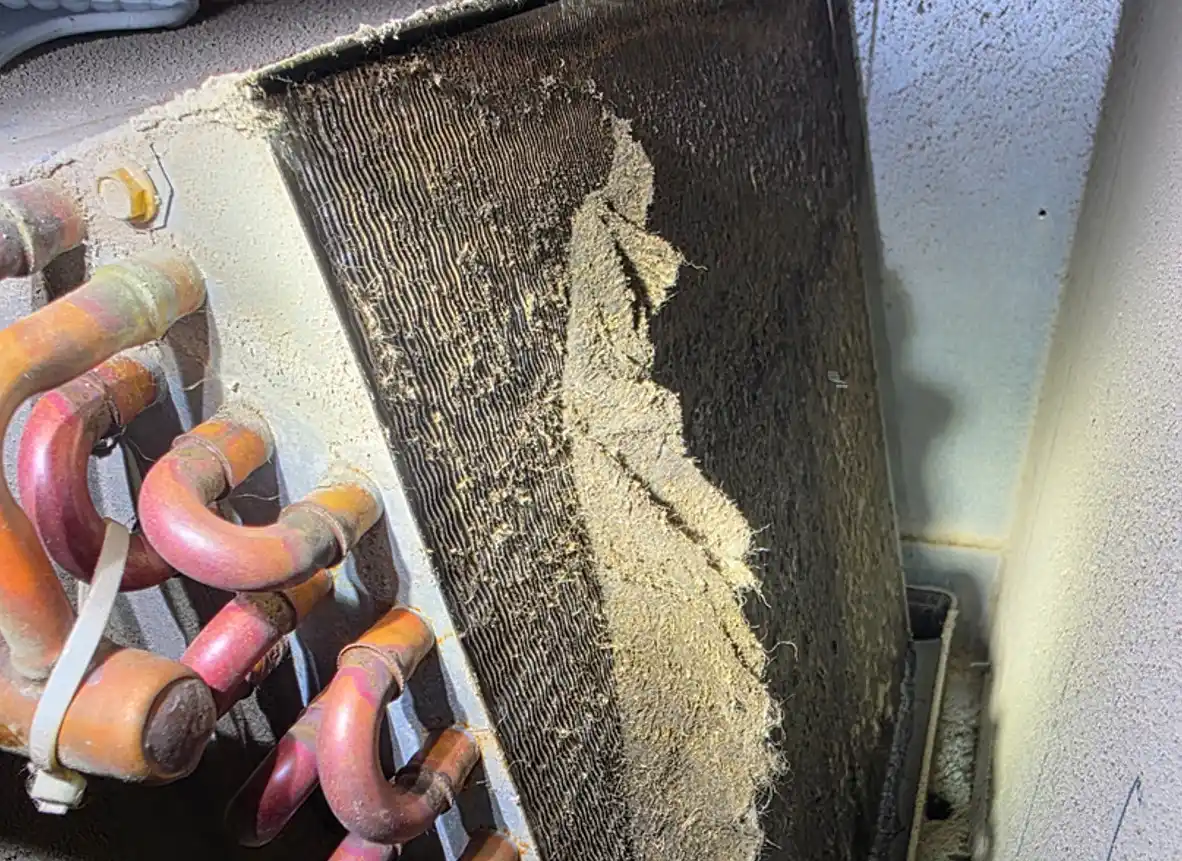
Common Low Refrigerant Symptoms at Home
Many homeowners notice changes before the air conditioner stops cooling completely.
Watch for these signs:
- Warm or weak airflow
The system runs, but air from the vents feels less cool than normal. - Long cooling cycles
The air conditioner stays on much longer trying to reach the thermostat setting. - Higher electric bills
Longer run times often increase monthly utility costs. - Ice on refrigerant lines or coils
Low refrigerant may reduce coil temperatures enough to create ice buildup. - Hissing or bubbling sounds
Some leaks create noticeable noises near refrigerant lines. - High indoor humidity
Low refrigerant reduces the system’s ability to remove moisture from the air.
These are all common symptoms of low refrigerant and should be inspected promptly.
How Cooling Performance Changes With Low Refrigerant
Cooling systems rely on correct refrigerant levels for heat transfer. Therefore, even small leaks may reduce performance noticeably.
Symptoms of Low Refrigerant in an AC Unit During Summer
Hot summer weather often exposes refrigerant problems first. During high demand, the system must work harder to maintain comfortable temperatures.
Typical symptoms of low refrigerant in an AC unit include:
- house temperatures rising during the afternoon
- bedrooms staying warm at night
- the thermostat never reaching the set temperature
- cool air fading after the system runs
- outdoor units running constantly
When outside temperatures rise, low refrigerant leaves little margin for cooling performance.
Why Summer Heat Exposes Refrigerant Problems
High outdoor temperatures place additional strain on the air conditioner. Consequently, weak cooling becomes more noticeable.
AC Low Refrigerant Symptoms vs Other HVAC Problems
Some HVAC issues look very similar to refrigerant problems. Dirty filters, airflow restrictions, blower issues, dirty coils, and thermostat problems can all mimic AC low refrigerant symptoms.
That is why proper testing matters. Professional inspections should include:
- pressure readings
- temperature split testing
- leak detection
- airflow testing
- coil inspection
- electrical diagnostics
This process helps identify the true cause before repairs begin.
Why Accurate Diagnosis Saves Money
Guessing at the problem may lead to unnecessary repairs. Therefore, professional testing helps avoid wasted expenses.
What Homeowners Can Check Before Calling for Service
There are several safe checks homeowners can perform before scheduling service.
- Replace the air filter
Dirty filters reduce airflow and worsen cooling problems. - Check thermostat settings
Make sure the system is set to COOL and the temperature is lowered. - Inspect the outdoor unit
Remove leaves or debris blocking airflow around the condenser. - Look for ice buildup
If ice forms on refrigerant lines or coils, turn the system off and call for service. - Monitor run times
If the system runs continuously without cooling effectively, service is needed.
Do not attempt to open refrigerant lines or sealed HVAC components.
Why Early Inspection Prevents Bigger Repairs
Small cooling problems often worsen over time. As a result, early service may help avoid compressor failure later.
How James Heating & Air Conditioning Repairs Refrigerant Problems
Proper refrigerant repair usually requires more than simply adding refrigerant. The leak source should be located first.
Professional service may include:
- leak detection using specialized tools
- repairing damaged fittings or coils
- vacuum testing after repairs
- recharging to manufacturer specifications
- confirming pressures and temperatures
- final cooling performance testing
This process restores cooling performance and helps reduce repeat service calls.
Why Leak Repair Matters
Repairing the actual leak prevents future refrigerant loss. Therefore, the system operates more efficiently and reliably.
Repair Costs for Low Refrigerant Symptoms
Repair pricing depends on refrigerant type, leak location, and equipment condition.
Typical cost ranges include:
- diagnostic visit: $90 – $250
- minor leak repair: $200 – $700
- refrigerant recharge: $200 – $1,200+
- coil repair or replacement: $700 – $2,500+
- compressor repair: $1,500 – $3,500+
- full system replacement: varies by equipment size and efficiency
Accurate testing helps prevent paying for unnecessary repairs.
What Affects Refrigerant Repair Costs
System age, refrigerant type, and leak severity all influence repair pricing. Consequently, inspection is necessary before estimating final costs.
How to Help Prevent Refrigerant Problems
Routine maintenance helps identify leaks early and reduces stress on cooling equipment.
Helpful maintenance steps include:
- schedule yearly heating and air conditioning service
- use preventative maintenance before summer begins
- replace filters regularly
- keep outdoor units clear of debris
- address weak cooling early
- schedule duct cleaning if airflow restrictions exist
Small warning signs often appear before major failures develop.
Why Maintenance Helps Reduce Cooling Problems
Routine inspections catch developing issues earlier. Therefore, systems stay more reliable throughout the cooling season.
Frequently Asked Questions About Low Refrigerant Symptoms
Can refrigerant get low naturally?
No. Low refrigerant usually means there is a leak somewhere in the system.
Is it safe to run an AC with low refrigerant?
Continued operation may damage the compressor and increase repair costs.
Why is ice forming on my AC lines?
Low refrigerant or airflow restrictions commonly cause freezing.
Can homeowners add refrigerant themselves?
No. Refrigerant service requires specialized tools and testing.
Will low refrigerant raise electric bills?
Yes, longer cooling cycles often increase energy usage.
How long does leak detection take?
Most inspections take about one to two hours depending on system access.
Should older systems with leaks be repaired?
That depends on system age, repair cost, and overall condition.
Why does the house feel humid?
Low refrigerant reduces moisture removal during cooling cycles.
Can dirty filters create similar symptoms?
Yes, restricted airflow may mimic refrigerant-related problems.
How often should HVAC maintenance be scheduled?
Most homes benefit from yearly service before cooling season begins.
Get Fast Help for Cooling Problems
If low refrigerant symptoms are affecting comfort in your home, James Heating & Air Conditioning is ready to help homeowners across Eugene, Springfield, Cottage Grove, Junction City, Veneta, and nearby Oregon communities. Our team can locate the leak, explain the repair process, and restore cooling performance quickly.
Call (541) 461-2101 today or Contact Us to schedule professional HVAC service.