






Choosing a new cooling system can bring up a lot of questions. One of the most common is the mini split vs central air debate. Both systems can keep a home comfortable, but they work differently and fit different types of homes.
A central air conditioner uses ductwork to distribute cooled air throughout the house. A mini split uses one or more indoor units connected to an outdoor unit, so it doesn’t need traditional ductwork. The better choice depends on your home’s layout, existing HVAC setup, budget, and comfort preferences.
At James Heating & Air Conditioning, we help homeowners compare these options based on how they actually live in their homes. Instead of choosing a system based on price alone, it makes sense to look at installation needs, monthly operating costs, temperature control, and long-term maintenance.
Mini Split vs Central Air: How Do the Systems Work?
Before comparing the benefits, it helps to know how each system operates.
Central air uses a single cooling system connected to a network of ducts. The system cools the air and sends it through supply vents located throughout the home. Return vents pull indoor air back into the system so the cooling cycle can continue.
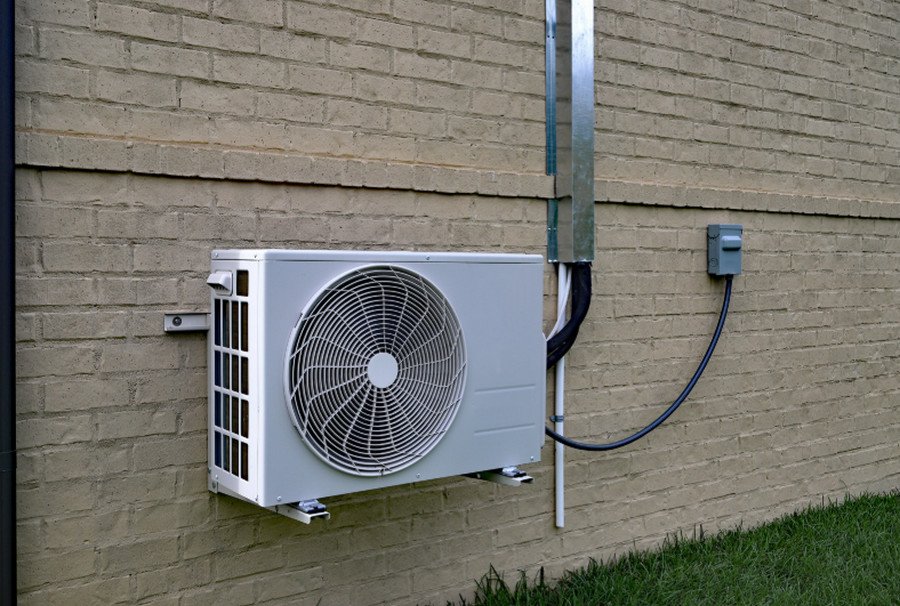
A mini split works without traditional ducts. An outdoor unit connects to one or more indoor air handlers. Each indoor unit delivers conditioned air directly into a room or zone.
Both systems can provide dependable cooling. The main difference is how that cooled air reaches your living spaces.
Mini Split vs Central Air for Homes With Existing Ductwork
If your home already has ductwork in good condition, central air may be a practical choice.
A central system can use the existing duct network to cool multiple rooms from one central unit. This setup provides a familiar look since most of the equipment stays hidden, apart from the vents and thermostat.
Before installing a new central system, technicians should inspect the ductwork for:
- Air leaks that allow cooled air to escape before reaching rooms.
- Poorly sized ducts that restrict airflow and reduce comfort.
- Damage that may cause uneven temperatures throughout the house.
- Heavy buildup that may affect airflow and indoor cleanliness.
Professional duct cleaning may help when dust and debris have accumulated inside the system.
If a home doesn’t have existing ducts, installing central air can require more construction. In that situation, a mini split may offer a simpler option.
Mini Split Systems Offer Flexible Installation
One major advantage of a mini split is installation flexibility.
These systems work well for:
- Older homes without existing ductwork.
- Home additions where extending ducts would be difficult.
- Finished garages and workshops.
- Bonus rooms that never stay comfortable.
- Home offices with different temperature needs.
- Bedrooms that need more individual control.
A small opening is typically needed to connect the indoor and outdoor equipment. This often requires less construction than adding a complete duct system.
For homeowners who want to add heating and cooling to one problem area, a mini split can be a practical solution.
Central Air Provides Whole-Home Cooling
Central air remains a popular choice for homeowners who want one system to cool the entire house.
With properly sized equipment and well-designed ductwork, central air can provide consistent temperatures throughout multiple rooms.
Benefits may include:
- One central thermostat.
- Hidden indoor equipment.
- Familiar vent-based airflow.
- Whole-home temperature control.
- Easy integration with existing forced-air heating systems.
Homeowners who prefer a simple, centralized system often choose central air.
James Heating & Air Conditioning provides professional heating and air conditioning solutions based on the needs of each home.
Mini Split vs Central Air for Energy Efficiency
Energy efficiency is an important part of the mini split vs central air comparison.
Mini splits can be highly efficient since they deliver conditioned air directly into individual spaces. Without ducts, there’s less opportunity for cooled air to escape through duct leaks.
Zoning can further reduce energy use. For example, you may choose to cool occupied bedrooms at night without cooling unused areas to the same temperature.
Central air can still operate efficiently, especially with:
- Properly sealed ductwork.
- Correct equipment sizing.
- Modern high-efficiency equipment.
- A well-programmed thermostat.
- Regular professional maintenance.
The condition of the home and the quality of the installation often matter just as much as the type of system chosen.
Room-by-Room Control Is a Major Difference
Temperature control is one of the clearest differences between these systems.
A traditional central air system usually uses one thermostat to control the temperature across the entire home. Some homes can add zoning controls, but that may require additional equipment.
A multi-zone mini split allows individual indoor units to operate independently.
That means one person can keep a bedroom cooler while another room stays at a different temperature.
This can be helpful for:
- Families with different comfort preferences.
- Rooms that receive heavy afternoon sun.
- Upstairs spaces that stay warmer.
- Areas used only during certain times of day.
For homeowners who value individual temperature control, a mini split often has an advantage.
How Installation Costs Compare
The cost of either system depends on the home and the equipment selected.
A single-zone mini split installation may cost roughly $3,500 to $7,000. Multi-zone systems can range from about $7,000 to $20,000 or more, depending on the number of indoor units and installation requirements.
Central air installation may range from roughly $5,000 to $12,000 for many homes. Projects requiring new ductwork can cost considerably more.
These are broad estimates. Actual pricing depends on:
- Home size.
- Equipment capacity.
- Efficiency rating.
- Electrical requirements.
- Ductwork condition.
- Number of mini split zones.
- Installation difficulty.
A professional home evaluation provides a much more accurate estimate.
Maintenance Requirements for Both Systems
Every HVAC system needs routine care.
Central air maintenance may include:
- Filter replacement.
- Coil cleaning.
- Refrigerant checks.
- Electrical inspections.
- Airflow testing.
- Duct inspections.
Mini split systems require care as well. Their indoor units contain filters that need regular cleaning, and the outdoor equipment should receive professional inspections.
Regular preventine maintenance can help reduce breakdown risks and keep either type of system operating efficiently.
Which System Looks Better Inside the Home?
Appearance matters to some homeowners.
Central air systems use small supply and return vents, so most equipment remains out of sight.
Mini splits usually have visible indoor units mounted on walls or ceilings. Modern units have become more streamlined, but they’re still more noticeable than traditional vents.
Some homeowners don’t mind the appearance, especially when they gain better room-by-room temperature control. Others prefer the less visible design of central air.
Mini Split vs Central Air: Which One Should You Choose?
There isn’t one answer that works for every home.
A mini split may be a better fit if:
- Your home doesn’t have ductwork.
- You want independent temperature zones.
- You’re cooling a new addition or converted space.
- Certain rooms have ongoing comfort problems.
- You want flexible installation options.
Central air may make more sense if:
- Your home already has good ductwork.
- You want one system for whole-home cooling.
- You prefer hidden indoor equipment.
- You want one central thermostat.
- Your existing forced-air system can support central cooling.
A professional HVAC evaluation can help identify which option fits your home’s layout and comfort needs.
Frequently Asked Questions
1. Which is better, mini split vs central air?
The better system depends on your home. Mini splits work well for zoning and homes without ducts, while central air is often a good fit for homes with existing ductwork.
2. Are mini splits more efficient than central air?
Mini splits can be very efficient since they don’t lose conditioned air through duct leaks. System efficiency still depends on equipment quality, sizing, installation, and usage.
3. Can a mini split cool an entire house?
Yes. A properly designed multi-zone system can heat and cool multiple rooms throughout a home.
4. Is central air cheaper to install?
It may be if the home already has usable ductwork. Adding a new duct system can increase the total project cost.
5. Do mini splits provide heating too?
Many modern mini split heat pumps provide both heating and cooling.
6. Which system provides better temperature control?
Mini splits often provide greater room-by-room control. Traditional central air usually controls the whole home from one thermostat.
7. How long do these systems last?
With proper installation and maintenance, both systems can provide many years of dependable service.
8. Do mini splits require maintenance?
Yes. Filters, coils, electrical components, and outdoor equipment all need routine care.
9. Can central air have separate temperature zones?
Yes. Some central systems can use zoning controls, though the home and ductwork must support the setup.
10. How do I know which system is right for my home?
An HVAC evaluation can compare your home’s layout, ductwork, equipment needs, budget, and comfort goals.
Find the Right Cooling System for Your Home
The mini split vs central air decision comes down to how your home is built and how you want to control indoor comfort. Mini splits offer flexible installation and individual temperature zones, while central air provides familiar whole-home cooling through a duct system.
James Heating & Air Conditioning can evaluate your home, explain the differences clearly, and recommend a system based on your comfort needs and budget.
Schedule Your HVAC Consultation
If you’re comparing mini split vs central air systems, James Heating & Air Conditioning can help you make a confident choice. Our experienced team can inspect your home, review your existing HVAC setup, and recommend the right cooling solution. Call (541) 461-2101 today or Contact Us to schedule a consultation and find the best system for dependable home comfort.