






What to Expect During HVAC Installation
Installing a new heating and cooling system is one of the biggest upgrades a homeowner can make. Whether your current system is aging, breaking down frequently, or no longer keeping your home comfortable, a professional HVAC installation can improve comfort, energy efficiency, and indoor air quality.
Many homeowners in Eugene, Springfield, and throughout Lane County feel uncertain about what happens during installation day. Questions about timelines, preparation, and what to expect are common.
The good news is that a professional HVAC installation follows a clear process. Understanding each step can help you feel more prepared and confident before work begins.
Let’s walk through what typically happens during a new HVAC installation.
The Process Starts With a Home Evaluation
Before installation begins, technicians evaluate your home and existing system.
This assessment helps determine:
- Proper system size
- Ductwork condition
- Home square footage
- Insulation levels
- Airflow requirements
Choosing the correct system size is one of the most important parts of the project.
A unit that’s too small may struggle to maintain comfortable temperatures. A system that’s too large may cycle too frequently and waste energy.
Professional evaluations help ensure the new equipment matches your home’s needs.
Choosing the Right HVAC System
Every home has different heating and cooling requirements.
During the planning stage, homeowners often discuss:
- Energy efficiency ratings
- Heating and cooling capacity
- Budget considerations
- Indoor air quality options
- Smart thermostat upgrades
Modern heating and air conditioning systems offer significantly better efficiency than many older units.
A properly selected system can improve comfort while helping reduce monthly energy costs.
Preparing for Installation Day
Before technicians arrive, a few simple preparations can make the process smoother.
Homeowners can help by:
- Clearing access to indoor equipment
- Moving furniture near work areas
- Securing pets
- Providing access to electrical panels
- Clearing space around outdoor units
Most installations can be completed without major disruption to daily activities.
The installation team will typically explain the process and answer questions before work begins.
Removal of the Existing System
The first major step involves removing old equipment.
This often includes:
- The indoor air handler or furnace
- The outdoor condenser unit
- Refrigerant lines
- Thermostats when necessary
Technicians safely disconnect electrical connections and refrigerant components before removal.
Proper disposal of old equipment follows environmental and industry guidelines.
Removing aging equipment creates a clean foundation for the new system.
HVAC Installation of New Equipment
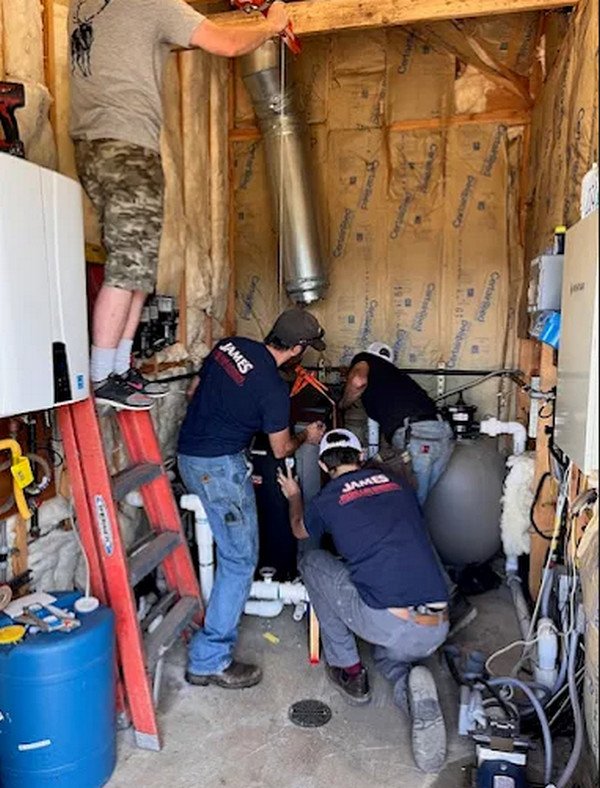
Once the old system is removed, installation of the new equipment begins.
This stage may include:
- Installing the indoor unit
- Setting the outdoor condenser
- Connecting refrigerant lines
- Updating electrical connections
- Installing new thermostats
Every connection must be carefully completed to support reliable operation.
Attention to detail during HVAC installation helps prevent future performance issues.
Ductwork Inspection and Modifications
Many homeowners don’t realize how important ductwork is to HVAC performance.
During installation, technicians may inspect ducts for:
- Air leaks
- Damage
- Poor airflow
- Improper sizing
- Excessive dust buildup
In some homes, minor duct modifications improve efficiency and comfort.
Professional duct cleaning may be recommended if buildup inside the duct system affects airflow or indoor air quality.
Electrical and Safety Checks
Modern HVAC systems rely on multiple electrical components working together safely.
Technicians inspect:
- Circuit connections
- Breakers
- Safety controls
- Wiring integrity
- System grounding
These checks help ensure the new system operates safely and reliably.
Electrical inspections are an important part of every professional installation.
Refrigerant Charging and System Testing
Once equipment is installed, technicians test system performance.
This process often includes:
- Measuring refrigerant levels
- Checking airflow
- Testing temperatures
- Verifying thermostat operation
- Confirming proper system cycling
Testing helps identify any adjustments needed before the installation is considered complete.
The goal is to make sure the system performs as designed from day one.
Understanding Your New HVAC System
A quality installation doesn’t end when the equipment starts running.
Technicians typically explain:
- Thermostat operation
- Filter replacement schedules
- Maintenance recommendations
- Energy-saving settings
- Warranty information
Homeowners should feel comfortable operating the system before the installation team leaves.
Asking questions during this stage helps maximize system performance and lifespan.
Why Proper HVAC Installation Matters
Even the best HVAC equipment can underperform if installed incorrectly.
Professional installation helps provide:
- Better energy efficiency
- Improved airflow
- Longer equipment life
- Consistent indoor comfort
- Reduced repair risks
A properly installed system often delivers better results than a higher-end unit installed improperly.
That’s why choosing an experienced contractor matters.
Protecting Your New System After Installation
Once installation is complete, routine care becomes important.
Regular preventive maintenance helps keep the system operating efficiently and can identify small concerns before they become major repairs.
Ongoing maintenance often includes:
- Filter replacement
- Component inspections
- Coil cleaning
- Airflow testing
- Performance checks
Maintained systems typically last longer and operate more efficiently.
How Long Does HVAC Installation Usually Take?
Most residential HVAC installations take:
- One day for straightforward replacements
- Two days for larger projects
- Longer for extensive ductwork modifications
The exact timeline depends on:
- System size
- Home layout
- Equipment type
- Ductwork condition
- Installation complexity
Your installation team can provide a more accurate timeline during the planning stage.
Frequently Asked Questions
1. How long does HVAC installation usually take?
Most residential installations take one day, though larger projects may require additional time.
2. Will I need to leave my home during installation?
In most cases, homeowners can remain at home during the process.
3. Does HVAC installation include thermostat replacement?
Many installations include a new thermostat, especially when upgrading to newer equipment.
4. Can existing ductwork be reused?
Often yes, though repairs or modifications may be recommended.
5. What happens to the old HVAC equipment?
The installation team typically removes and disposes of old equipment properly.
6. Will a new system lower energy bills?
Many newer systems operate more efficiently and may reduce monthly utility costs.
7. How soon can I use the new system?
Most systems are ready for operation immediately after testing is completed.
8. What maintenance does a new HVAC system need?
Regular filter changes and annual professional maintenance are recommended.
9. How do I know what size system I need?
A professional evaluation helps determine the proper size for your home.
10. Is professional installation important?
Yes. Proper installation affects comfort, efficiency, reliability, and equipment lifespan.
Enjoy Better Comfort With a Professionally Installed HVAC System
A new HVAC system is a significant investment in your home’s comfort and efficiency. Understanding the installation process can help reduce uncertainty and make the experience smoother from start to finish.
James Heating & Air Conditioning proudly provides professional HVAC installation services for homeowners throughout Eugene, Springfield, and the rest of Lane County. From system selection to final testing, every installation is completed with a focus on long-term performance and comfort.
Get Started
Thinking about upgrading your heating and cooling system? James Heating & Air Conditioning can help you choose the right equipment and provide professional HVAC installation tailored to your home’s needs. Call (541) 461-2101 today or Contact Us to schedule a consultation. Our team proudly serves Eugene, Springfield, and communities throughout Lane County with trusted HVAC solutions.